
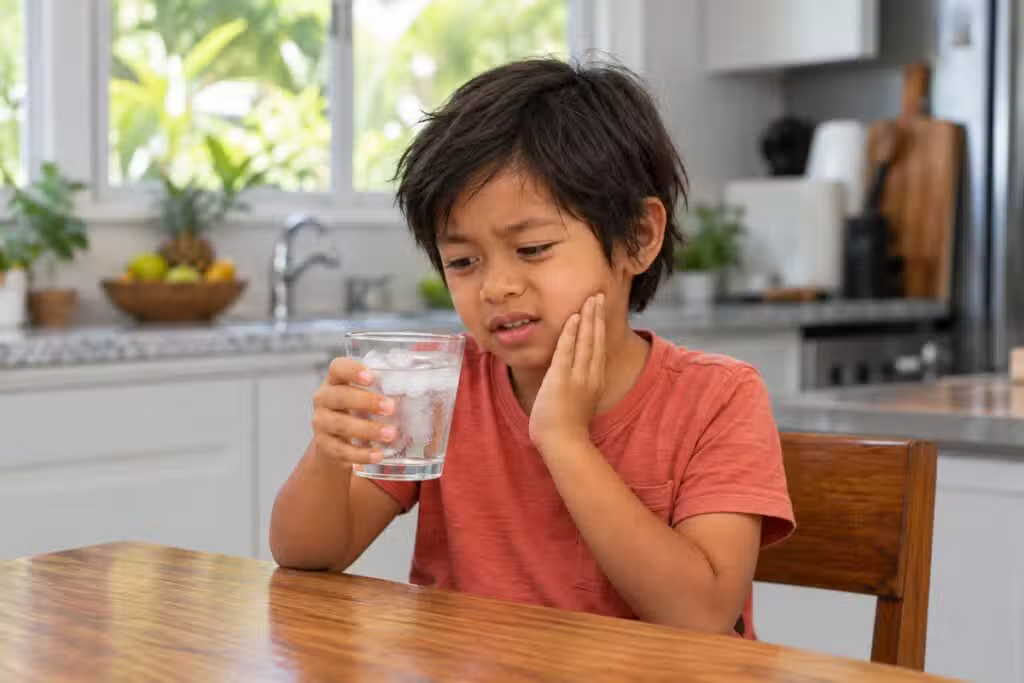
Your child takes a bite of ice cream and suddenly stops eating. Or they complain that cold water makes one of their teeth hurt. Maybe it only happens with sweet snacks, and everything seems normal a few moments later.
Tooth sensitivity in children can happen for several reasons. Sometimes it is related to a newly erupting tooth or temporary irritation. Other times, it may be a sign of tooth decay, enamel damage, or another dental problem.
If your child repeatedly complains that a tooth hurts when eating or drinking, it's worth scheduling a dental examination.
At Pedodontic Associates, we help Hawaii families understand changes in their children's dental health. Here's what may cause tooth sensitivity and what you can do next.
Why Are My Child’s Teeth Sensitive to Cold?
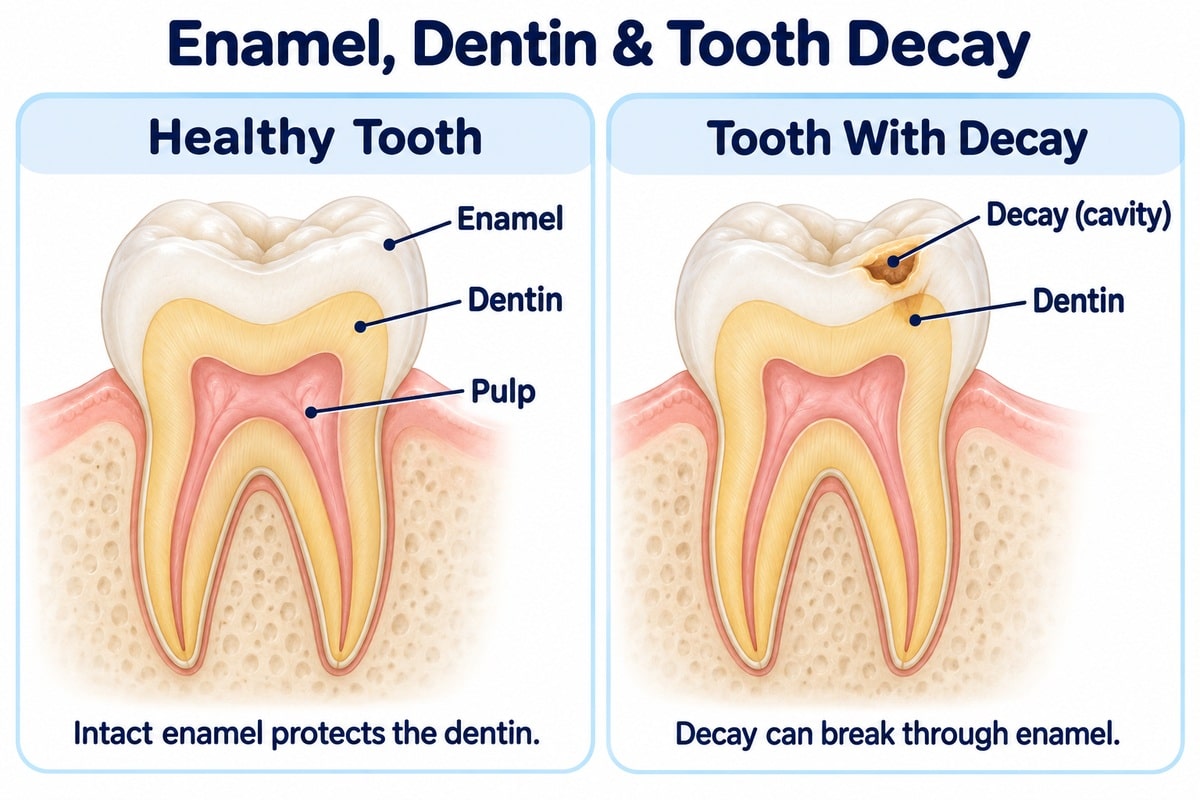
A tooth contains several layers. The outer enamel protects the softer dentin underneath, while the center contains nerves and blood vessels.
When enamel is damaged or an area of dentin becomes exposed, temperature changes may trigger discomfort.
Common causes of sensitivity include:
Tooth Decay
Cavities can make a tooth sensitive to cold drinks or sweet foods.
Early decay may not cause noticeable pain. As the affected area becomes larger or deeper, your child might begin complaining when eating certain foods.
Sensitivity doesn't automatically mean a cavity is present, but it is one reason a dentist may recommend an examination.
Worn or Damaged Enamel
Enamel protects the more sensitive inner layers of the tooth.
A chipped tooth, enamel defect, or wear from certain habits may leave an area less protected.
If sensitivity consistently affects one tooth, especially after an injury, let your child's dentist know.
Gum Irritation or Exposed Tooth Surfaces
Inflamed gums can make brushing uncomfortable, and exposed root surfaces may contribute to sensitivity.
Although gum recession is less common in young children than adults, changes in the gumline deserve evaluation.
Erupting Permanent Teeth
As permanent teeth develop, children may experience pressure or tenderness around the gums.
However, don't automatically attribute sharp pain from cold foods to teething or tooth eruption. Persistent sensitivity should still be checked.
Why Does My Child’s Tooth Hurt When Eating Sweets?
Sugary foods and drinks can trigger discomfort when a tooth has decay or exposed sensitive areas.
If your child complains every time they eat candy, a sweet dessert, or another sugary food, pay attention to whether the discomfort comes from one specific tooth.
You might notice that your child:
- Avoids chewing on one side of their mouth
- Stops eating after a bite of something sweet
- Complains about a sudden, sharp sensation
- Says a particular tooth feels uncomfortable
These signs don't confirm a cavity, but they give the dentist useful information.
Frequent exposure to sugary foods and drinks can also increase the risk of decay because mouth bacteria produce acids that affect tooth enamel.
Encouraging water between meals and limiting frequent sugary snacks can help reduce that exposure.
Is Tooth Sensitivity Normal in Kids?
An occasional brief sensation doesn't necessarily mean your child has a serious dental problem.
However, repeated sensitivity is not something parents should dismiss as a normal part of growing up.
The pattern matters.
| What Your Child Experiences | What It May Suggest |
|---|---|
| Brief sensitivity to very cold foods | Temporary sensitivity or an underlying dental concern |
| Pain when eating sweets | Possible decay or exposed sensitive tooth structure |
| Pain in one specific tooth | A localized problem that needs evaluation |
| Sensitivity after a chipped tooth or fall | Possible dental injury |
| Pain that continues after eating or drinking | A concern that may require more prompt assessment |
| Tooth pain with facial swelling or fever | Possible infection requiring urgent evaluation |
Only a dental examination can identify the cause.
What Can Parents Do at Home?
If your child has mild sensitivity and no urgent warning signs, a few simple steps may help keep them comfortable until their dental appointment.
1. Avoid Foods That Trigger Pain
If cold foods consistently cause discomfort, offer drinks and meals at a more comfortable temperature.
Avoid encouraging your child to keep testing the sore tooth.
2. Continue Gentle Brushing
Use a soft-bristled toothbrush and an age-appropriate amount of fluoride toothpaste.
Brush gently rather than scrubbing harder around the sensitive area.
Stopping brushing entirely can allow plaque to accumulate and increase the risk of dental problems.
3. Reduce Frequent Sugary Snacks and Drinks
Sweet snacks don't need to become an everyday source of dental discomfort.
Offer water between meals and reduce frequent sipping of sugary drinks.
This supports cavity prevention, although dietary changes alone will not treat an existing cavity.
4. Don’t Use Adult Sensitivity Products Without Guidance
Some toothpastes are marketed for sensitive teeth, but not every formula is appropriate for every child.
Before switching to a specialized toothpaste, ask your child's dentist whether it is suitable for their age and symptoms.
5. Keep Track of the Symptoms
Before the appointment, notice:
- Which tooth seems sensitive
- Whether cold, sweet, or hot foods trigger discomfort
- How long the pain lasts
- Whether chewing also causes pain
- Whether the symptoms are becoming more frequent
These details can help your pediatric dentist understand the problem.
When Should You Call the Dentist?
Schedule a dental examination if your child repeatedly complains about sensitivity, particularly when it affects the same tooth.
Contact a dental professional more promptly if the sensitivity becomes persistent pain, interferes with eating or sleeping, or follows a dental injury.
Seek urgent dental or medical assessment if your child develops facial swelling, fever with dental pain, or other signs of infection.
If swelling causes difficulty breathing or swallowing, seek emergency medical care immediately.
Even if the pain disappears, mention the episode at your child's appointment, especially if it had been severe or recurring.
How Does a Pediatric Dentist Check Sensitive Teeth?
During an examination, we look for possible causes of discomfort, including cavities, enamel changes, and dental injuries.
We may ask your child where the tooth hurts and what makes the discomfort worse.
Depending on the findings, an examination may include:
- Checking for visible decay or tooth damage
- Examining the gums and surrounding tissues
- Assessing tenderness or discomfort during biting
- Evaluating how the teeth fit together
- Taking dental X-rays if clinically indicated
Dental X-rays can help identify certain problems that aren't visible during a routine examination, including decay between neighboring teeth.
At Pedodontic Associates, we offer dental X-rays when imaging is appropriate for a child's clinical needs.
Once we've identified the likely cause, we can explain the findings and discuss suitable treatment options.
Does a Sensitive Tooth Always Need a Filling?
No.
Treatment depends on why the tooth is sensitive.
If the enamel is intact and no significant dental problem is found, the dentist may recommend monitoring and adjustments to home care.
If early enamel changes are present, preventive measures such as fluoride treatment may be appropriate.
When a cavity has developed, a filling or another restorative treatment may be recommended based on its extent and location.
Our pediatric dental services include tooth-colored fillings for children when restorative care is needed.
A sensitive tooth does not automatically mean a child will need drilling, a crown, or an extraction.
The examination helps determine whether treatment is necessary and what approach is appropriate.
Can You Prevent Tooth Sensitivity in Children?
Not every cause of sensitivity is preventable. Dental injuries, developmental enamel conditions, and other factors can affect tooth health.
However, good daily habits can reduce the risk of decay-related sensitivity.
Encourage your child to:
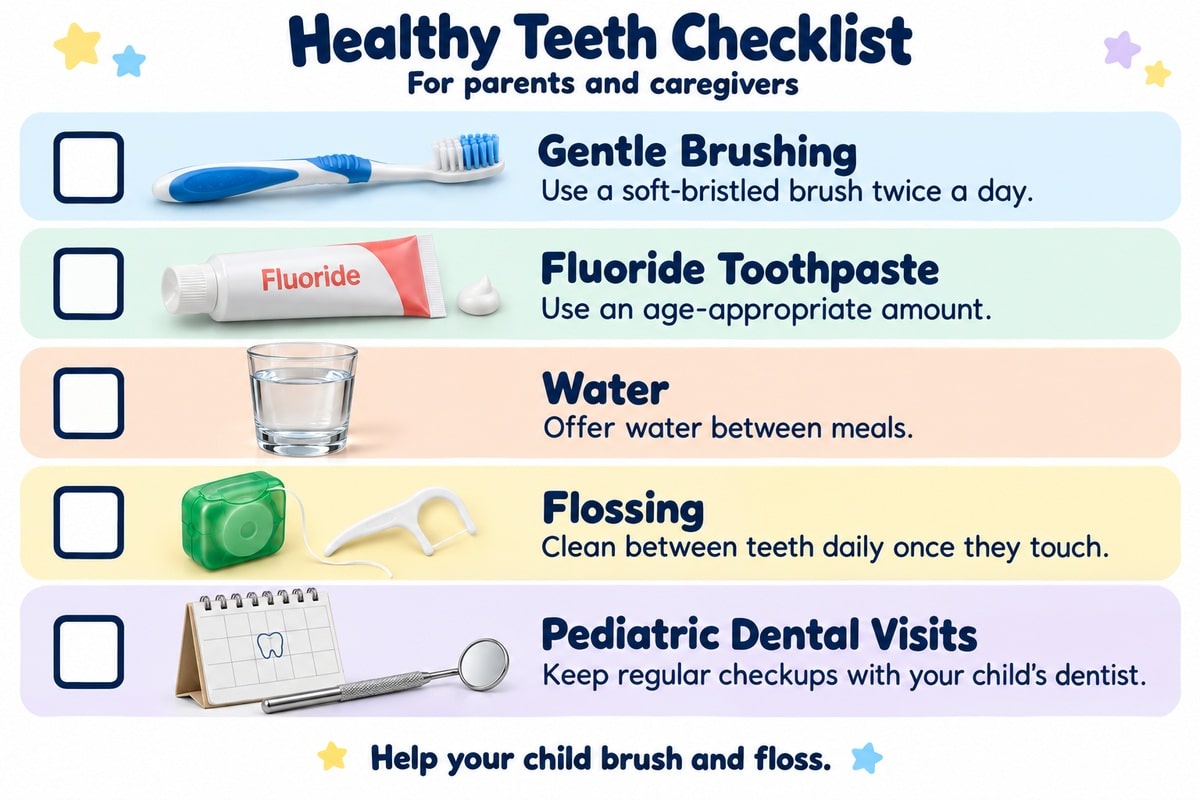
- Brush twice daily with fluoride toothpaste
- Use a soft-bristled toothbrush
- Floss when neighboring teeth touch
- Drink water regularly
- Limit frequent sugary snacks and beverages
- Attend dental checkups based on their individual needs
Younger children need help brushing thoroughly, while older children may still benefit from reminders and occasional supervision.
Regular examinations also give us an opportunity to identify changes before they become painful.
Help Your Child Feel Comfortable Eating Again
A child who avoids ice cream, cold water, or certain snacks because of tooth pain may be experiencing sensitivity that needs attention.
Rather than guessing whether the cause is a cavity, enamel issue, or temporary irritation, let a pediatric dentist evaluate the tooth.
At Pedodontic Associates, we provide pediatric examinations, preventive care, and restorative dental treatment for children across Oahu and Maui.
You can reach us at:
- Pearlridge Office, Aiea: 808-487-7933
- Kahala Office, Honolulu: 808-735-1733
- Maui Office, Kahului: 808-877-0066
If your child regularly complains that a tooth hurts when eating cold or sweet foods, contact our pediatric dental team to arrange an appointment.
We're here to help you understand what's causing the discomfort and what care may be appropriate.
This article provides general educational information and does not replace a professional dental examination or individualized medical advice.