
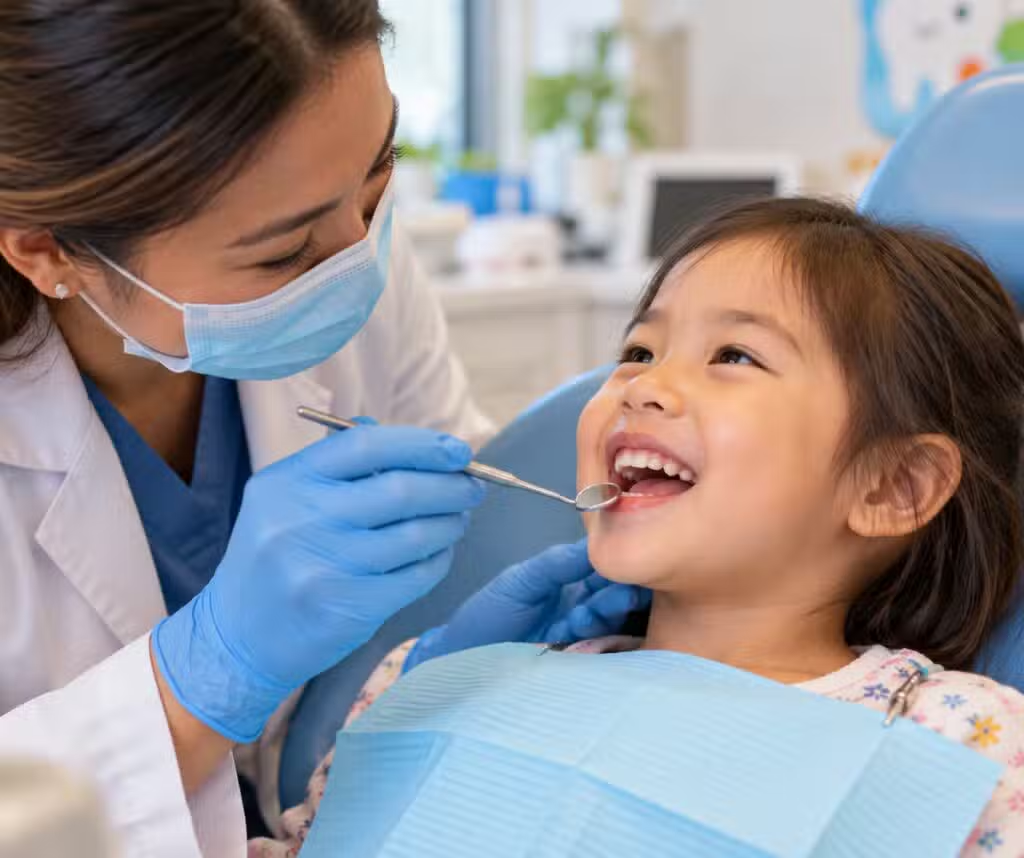
Parents often assume that orthodontic evaluations only happen once a teenager has lost all of their baby teeth and sprouted a full mouth of permanent adult teeth. Waiting until the teen years to check bite alignment can miss a critical window for guiding skeletal growth.
Major dental organizations recommend that every child receive an initial orthodontic screening by age seven. At this stage, the permanent front teeth have erupted, and the back molars are establishing the bite relationship.
Our team at Pedodontic Associates monitors jaw development during routine checkups to catch alignment issues early. You can learn more about our comprehensive approach by visiting our about page.
Why Age Seven Is the Magic Number
Seven might feel startlingly young for braces, but an early evaluation is rarely about putting brackets on baby teeth. It is about assessing skeletal growth patterns.
By age seven, a child's jaw has developed enough structural maturity for a pediatric dentist or orthodontist to spot hidden red flags. These include crossbites, severe crowding, protruding front teeth, and underbites.
The jawbones are still growing rapidly during early childhood. Intervening while the bone is pliable allows specialists to guide jaw expansion gently. This early action prevents complex surgical procedures or tooth extractions down the road.
Common Signs That Warrant an Early Look
While a professional screening at age seven serves as a general baseline, certain physical signs mean you should schedule an evaluation even sooner.
| Alignment Sign | What It Looks Like | Why It Needs Evaluation |
|---|---|---|
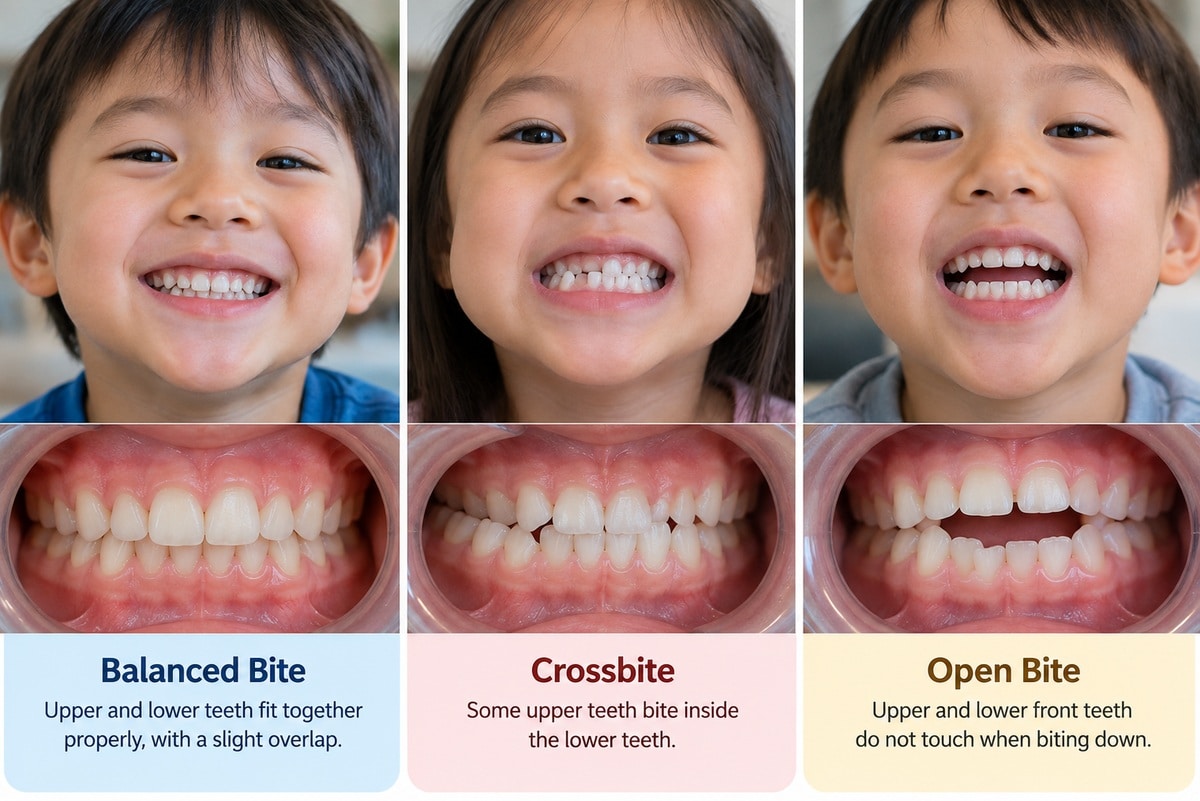
| Crossbite | Upper teeth fit inside the lower teeth when biting down. | Causes the jaw to shift sideways as the child closes their mouth. |
| Severe Crowding | Permanent teeth overlap because the jaw is too narrow. | Indicates a lack of physical space for incoming adult teeth. |
| Protruding Front Teeth | Upper front teeth stick far out over the lower teeth. | Increases the risk of trauma during sports or active play. |
| Open Bite | Front teeth do not touch when the back teeth are clenched. | Often linked to prolonged thumb sucking or tongue thrusting habits. |
Interceptive Orthodontics: Fixing Problems Early
When an evaluation at age seven reveals a developing skeletal mismatch, specialists can use interceptive treatments. Phase one orthodontics utilizes appliance therapy to correct jaw proportions while the child is still growing.
A palatal expander, for instance, can widen a narrow upper jaw painlessly in a matter of months. Creating proper bone width early ensures that permanent adult teeth have enough room to erupt naturally without being trapped or severely twisted.
Catching these issues early transforms what might have been a complex, multi-year corrective ordeal in high school into a much shorter, smoother process.
If you want to check your child's bite development or discuss alignment milestones, you can explore our pediatric dental services page to see how we coordinate comprehensive care.
Real Stories From Hawaii Families
Going thru developmental milestones is reassuring when you have an experienced team on your side. Here is what local parents have to say about our practice, sourced directly from the Pedodontic Associates Testimonials Page:
"The doctors and staff are amazing with children. They explained every stage of my daughter's dental development in detail and made sure we felt confident about her care plan before leaving the office." — Parent Review via Pedodontic Associates Testimonials
"We love bringing our keiki here. The entire team is patient, kind, and incredibly knowledgeable about early growth and alignment. Our children actually look forward to their dental visits!" — T.H. via Pedodontic Associates Testimonials
Frequently Asked Questions About Early Orthodontics
Does an evaluation at age seven mean my child will automatically need braces?
No. Many children screened at age seven have perfectly normal bite development. In those cases, the specialist simply monitors natural growth during routine visits without starting any active treatment.
Can thumb sucking alter a child's jaw shape permanently?
Yes. Prolonged thumb sucking past age five exerts continuous pressure that narrows the upper jaw and creates an open bite, which makes early orthodontic intervention necessary.
What is the difference between a pediatric dentist and an orthodontist?
Pediatric dentists specialize in overall oral health, cavity prevention, and primary tooth management from infancy through adolescence. Orthodontists focus specifically on tooth alignment, bite correction, and jaw repositioning. Many pediatric dental offices work hand-in-hand with trusted orthodontic specialists.
Partnering with Your Hawaii Pediatric Dentist
Monitoring your child's bite from an early age sets the foundation for a healthy, confident smile that lasts a lifetime. Our team evaluates jaw growth and alignment during every routine checkup.
Our team is ready to support your family with welcoming clinics across Oahu and Maui. Explore our Pearlridge office in Aiea or check out our Kahala office in Honolulu. We also serve our neighbor island patients at our Maui office. You can contact our scheduling team today to book your child's next preventive visit. You can also explore our pediatric dental services page to review our full scope of care.
Medical & Legal Disclaimer: The content on this blog is provided for general informational purposes only and is not intended as medical advice, diagnosis, or treatment. Always seek the advice of a qualified pediatric dentist regarding your child’s specific oral health needs. If your child is experiencing a severe medical emergency, call 911 or proceed to the nearest emergency room immediately.