
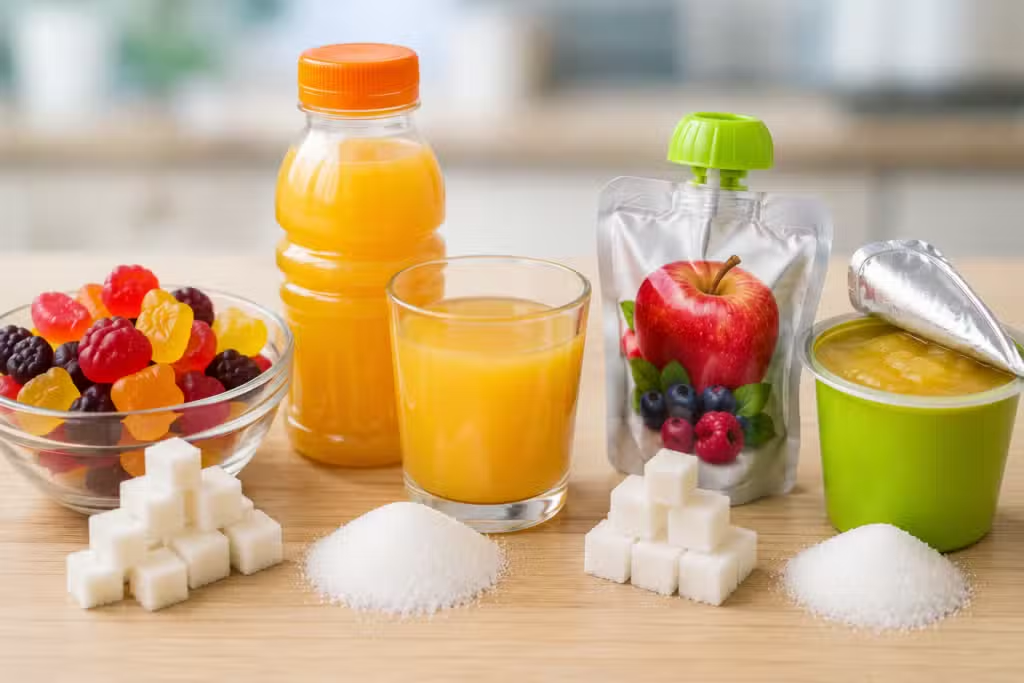
Walking down the grocery store aisle, parents are greeted by colorful packaging promising “made with real fruit,” “excellent source of vitamin C,” and “no artificial flavors.” Items like fruit snack pouches, juice boxes, and gummy fruit shapes fill lunchboxes and diaper bags across Hawaii. Because these products feature wholesome branding, many families assume they are safe, nutritious choices for growing children.
Unfortunately, many of these popular kid-friendly snacks pack astonishing amounts of concentrated sugar. Even worse, their sticky textures and liquid formats create the perfect storm for rapid tooth decay. Uncovering where these hidden sugars lurk allows you to make informed dietary choices that protect your child’s delicate primary enamel.
Sugar Comparison: Popular Kid Snacks vs. Real Food
Looking at the numbers reveals how much hidden sugar hides inside everyday convenience items.
| Popular Kid Product | Average Sugar Content | Better Tooth-Friendly Alternative | Why It Protects Teeth |
|---|---|---|---|
| Gummy Fruit Snacks (1 pouch) | 10 to 12 grams of concentrated sugars | Fresh sliced strawberries or grapes | Whole fruit contains high water content that washes away naturally. |
| 100% Apple Juice Box (6 oz) | 18 to 22 grams of free fructose | Plain water or milk in a cup | Water rinses food debris; milk supplies enamel-building calcium. |
| Commercial Yogurt Pouch | 14 to 18 grams of added sugars | Plain Greek yogurt with fresh berries | Unsweetened Greek yogurt provides protein and probiotics without acid spikes. |
| Granola & Cereal Bars | 12 to 15 grams of sticky syrups | Hard-boiled eggs or cheese cubes | Cheese neutralizes acids and supplies enamel-repairing minerals. |
Smart Habits to Protect Your Child’s Teeth
Eliminating convenience foods entirely is unrealistic for busy families. Instead, managing how and when children consume sweet items makes a dramatic difference in cavity prevention.
- Serve Sweet Treats with Meals: If your child enjoys juice or a sweet treat, serve it during a sit-down meal rather than as a standalone snack. Saliva production peaks during meals, helping to neutralize acids much faster.
- Ditch the Sippy Cup for Juice: If your child drinks juice, limit it to a small open cup or straw cup consumed over a short period, rather than letting them carry a juice cup around all afternoon.
- Rinse with Plain Water: Encourage your child to drink a cup of plain water immediately after finishing any sticky snack or sweet beverage to flush away lingering residue.
- Keep Brushing Consistent: Ensure that brushing twice daily with a fluoride toothpaste remains non-negotiable, with bedtime brushing serving as the absolute final step before sleep.
What Parents Say About Our Pediatric Care
We know that choosing a pediatric dentist comes down to trust, comfort, and how your child feels in the chair. Here is what local parents have shared about their family’s experience with our specialized care across Hawaii:
Read Jon D.‘s review of Pedodontic Associates – Kahala on Yelp
Read Anthony D.‘s review of Pedodontic Associates – Kahala on Yelp
Read Kelly G.‘s review of Pedodontic Associates – Kahala on Yelp
Partner with a Pediatric Specialist
Navigating nutritional choices and hidden sugars can feel challenging, but routine professional care ensures your child’s smile stays strong and healthy.
Both theAmerican Academy of Pediatric Dentistry and theAmerican Academy of Pediatrics recommend preventative dental checkups every six months.
During a routine visit, a pediatric specialist evaluates enamel health, checks for early signs of demineralization, and provides personalized guidance tailored to your family’s daily habits.
If you have questions about your child’s diet or want to schedule their next checkup, our team is here to support you. Explore our full range of preventative options on ourPediatric Dental Services page orVisit Us to schedule an appointment today!