
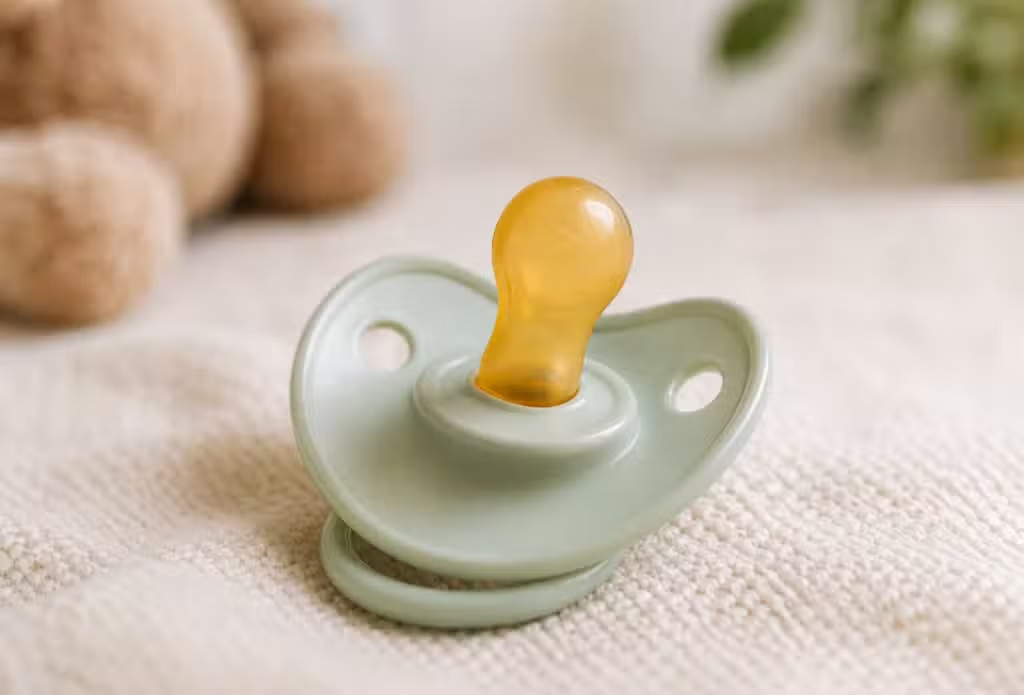
Sucking is one of the most fundamental, natural reflexes an infant possesses. Long before a baby is born, ultrasound images often capture them sucking their thumb in the womb. Non-nutritive sucking—whether on a pacifier, a thumb, or fingers—provides infants and toddlers with a deep sense of security, comfort, and emotional self-soothing during stress, fatigue, or sleep transitions.
While non-nutritive sucking is completely normal and beneficial during early infancy, prolonged reliance on these habits can alter the physical alignment of developing primary teeth and underlying jawbones. Understanding how sucking impacts oral architecture, recognizing when the habit shifts from harmless to problematic, and applying gentle weaning techniques helps you protect your child’s growing smile without causing emotional distress.
How Sucking Habits Impact Developing Teeth and Jaws
During infancy, the bone structure of a child’s upper jaw (maxilla) and palate (roof of the mouth) is extremely soft, pliable, and responsive to continuous physical pressure. When a baby sucks forcefully on a pacifier or thumb for hours every day, specific mechanical forces act upon the mouth.
1. Inward Pressure from Cheek Muscles
During sucking, the cheeks contract inward against the upper back primary molars. Over months and years, this continuous inward pressure narrows the upper dental arch, causing it to take on a constricted, V-shaped appearance rather than a wide, natural U-shape.
2. Upward Pressure on the Palate
A thumb or pacifier rests directly against the roof of the mouth. Steady upward pressure forces the soft palatal vault upward, creating a high, narrow, or arched palate that can reduce airway space inside the nasal cavity.
3. Forward Leverage on Upper Teeth
When a thumb or finger rests behind the upper front teeth, it acts like a lever. The outward push tips the upper front teeth forward toward the lip, while the back of the hand or finger holds the lower front teeth back toward the tongue.
Common Dental Misalignments Caused by Prolonged Habits
If non-nutritive sucking continues past early childhood, the structural pressures described above begin creating noticeable bite misalignments that affect chewing, appearance, and speech.
| Bite Misalignment | Description of Structural Change | Functional & Aesthetic Impact |
|---|---|---|
| Anterior Open Bite | Upper and lower front teeth tip away from each other, leaving a visible vertical gap when the back molars bite together. | Makes biting into foods like apples or sandwiches difficult; leads to lisping on “S” and “T” sounds. |
| Posterior Crossbite | The narrowed upper jaw fits inside the lower jaw on one or both sides when biting down. | Forces the lower jaw to shift sideways to bite comfortably, causing facial asymmetry and uneven jaw wear. |
| Excessive Overjet (“Buck Teeth”) | Upper front incisors flare significantly outward toward the top lip while lower incisors tilt inward. | Increases the risk of front tooth fractures from everyday falls; leaves lips struggling to close naturally over teeth. |
| Palatal Narrowing | The roof of the mouth narrows and arches upward toward the nasal passage. | Restricts broad tongue placement, affecting swallowing patterns and encouraging mouth breathing. |
Pacifiers vs. Thumb Sucking: Which Habit Is Harder on Teeth?
Parents often ask whether a pacifier or a thumb is better for their child’s oral health. While both create similar physical pressures inside the mouth, each offers distinct pros and cons regarding habit management.
| Evaluation Metric | Pacifier Use | Thumb or Finger Sucking |
|---|---|---|
| Control Over the Habit | High; parents can restrict or eliminate access | Low; a child’s thumb is attached and accessible 24/7 |
| Flexibility of Material | Orthodontic silicone nipples flatten under pressure | Human bone and tissue provide firm, unyielding resistance |
| Duration of Use | Typically easier to phase out around age two | Often persists longer into school-age years |
| Impact on Jaw Architecture | Causes mild to moderate arch narrowing if prolonged | Can cause severe flare and height distortion due to leverage |
Because pacifier use can be phased out by removing the object from the home, pediatric dentists generally consider pacifiers easier to manage than thumb sucking. A child who relies on their thumb can easily turn to self-soothing during bedtime or stressful moments without any adult knowing.
The Age Timeline: How Long Is Too Long?
The critical factor determining whether a sucking habit causes permanent damage is duration, frequency, and intensity. A child who sucks lightly on a thumb for five minutes while falling asleep is far less likely to develop severe misalignments than a child who sucks forcefully on a pacifier for six hours straight during daytime play.
Birth to 2 Years: Normal and Harmless
During the first two years of life, non-nutritive sucking is a healthy developmental tool. Any minor bite changes that occur during this infant stage are generally reversible. If the habit stops before age two or three, the natural forces of the lips, cheeks, and tongue can help support natural jaw development without professional intervention.
Ages 2 to 3 Years: The Ideal Weaning Window
Pediatric specialists recommend actively weaning children off pacifiers and thumb sucking between ages two and three. Stopping during this developmental window allows the growing jawbone to remodel naturally, giving primary teeth time to align cleanly before permanent six-year molars erupt.
Ages 4 Years and Up: The Risk Zone
If non-nutritive sucking continues past age four, the likelihood of permanent structural jaw changes increases significantly. Once adult teeth begin emerging beneath the gums (around ages five to six), persistent sucking can create severe orthodontic issues that require specialized appliances or comprehensive braces later in life.
Gentle, Proven Weaning Strategies for Parents
Weaning a toddler off a cherished comfort habit requires patience, positive reinforcement, and consistency. Punishment or harsh scolding often backfires, creating anxiety that increases the child’s urge to self-soothe.
1. Step-by-Step Pacifier Weaning Techniques
- Limit the environment: Start by restricting the pacifier strictly to naptime and bedtime in the crib or bed. Keep pacifiers out of sight during daytime play.
- The “Pacifier Fairy” tradition: Prepare your toddler for a visit from the “Pacifier Fairy.” Have your child gather their pacifiers in a special box to leave on the porch in exchange for a toy or reward they have been wanting.
- Modify the nipple shape: Dulling or snipping the tip of a silicone pacifier removes the internal suction feel, making the pacifier instantly unappealing to your toddler. (Ensure any trimmed silicone is cleaned thoroughly so loose pieces do not become choking hazards.)
2. Gentle Thumb Sucking Interventions
- Identify comfort triggers: Observe when your child sucks their thumb. If stress, boredom, or tiredness triggers the habit, offer alternative comfort items like a soft blanket, a weighted stuffed animal, or a warm hug.
- Use positive reinforcement charts: Celebrate habit-free daytime hours or dry-thumb nights with a colorful sticker chart. Reaching a five-day goal earns a small weekend outing or activity.
- Provide gentle physical reminders: For night-time thumb suckers, placing a soft cotton sock over the hand, using breathable thumb guards, or wrapping a band-aid around the thumb serves as a soft, non-punitive physical reminder in the dark.
What Parents Say About Our Pediatric Care
We know that choosing a pediatric dentist comes down to trust, comfort, and how your child feels in the chair. Here is what local parents have shared about their family’s experience with our specialized care across Hawaii:
Read Loren A.‘s review of Pedodontic Associates – Pearlridge on Yelp
Read Joyce L.‘s review of Pedodontic Associates – Pearlridge on Yelp
Read Dione P.‘s review of Pedodontic Associates – Pearlridge on Yelp
Partnering with a Pediatric Specialist
Every child gives up their comfort habits on their own timeline, but monitoring jaw growth and primary tooth alignment ensures minor issues do not turn into complex orthodontic problems later.
Both theAmerican Academy of Pediatric Dentistry and theAmerican Academy of Pediatrics recommend routine preventative dental checkups every six months starting by age one.
During a routine visit, a pediatric specialist evaluates your child’s jaw arch, checks for early crossbites or open bites, and provides compassionate, non-judgmental guidance tailored to your child’s temperament.
If you have concerns about your child’s thumb sucking habit or want expert advice on weaning strategies, our team is here to support you. Explore our full range of options on ourPediatric Dental Services page orVisit Us to schedule an appointment today!
Medical & Legal Disclaimer: The content on this blog is provided for general informational purposes only and is not intended as medical advice, diagnosis, or treatment. Always seek the advice of a qualified pediatric dentist regarding your child’s specific oral health needs. If your child is experiencing a dental emergency, call 911 or proceed to the nearest emergency room immediately.