
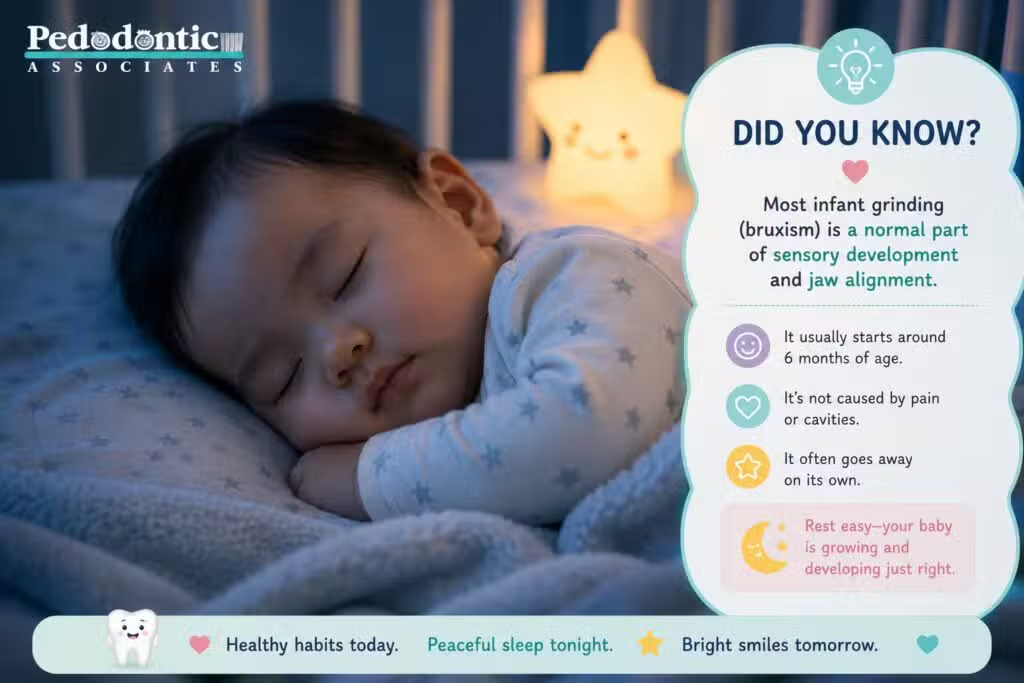
You hear it clearly over the baby monitor at 2 a.m.—that unmistakable, bone-chilling scraping sound coming from your baby’s crib. Infant teeth grinding, clinically known as bruxism, is a widespread phenomenon that affects a notable percentage of children under the age of 3. While the sound of intense bone-on-bone friction can be deeply alarming to parents, it is rarely a sign of an immediate medical emergency.
Most babies who grind their developing teeth are simply exploring new oral sensations or working through the physical discomfort associated with early teething. However, understanding the difference between normal developmental exploration and chronic bruxism is essential for protecting your child’s long-term oral health and jaw joint development. At Pedodontic Associates, we have been helping Hawaii’s families navigate these complex developmental milestones since 1977. This guide explains the “why” behind the grind, how we safely monitor your child’s bite, and the specific warning signs that indicate it’s time to visit a pediatric dentist for a professional evaluation.
What Infant Teeth Grinding Looks and Sounds Like
Bruxism in infants typically begins between 6 and 10 months of age, precisely when the first central primary incisors break through the gumline. To the ear, it sounds like a rhythmic scraping, clicking, or crunching noise. This happens as your infant shifts their lower jaw from side to side or front to back, rubbing their new, sharp primary teeth together.
Developmental vs. Chronic Grinding
- Developmental Grinding: This is usually intermittent and entirely painless. Your baby might grind for a few seconds during a light sleep transition (REM sleep) or while they are intensely concentrating on a toy during daytime play. It often stops for several days or weeks before reappearing briefly as a new tooth emerges.
- Chronic Bruxism: This involves frequent, exceptionally loud grinding every single night for extended periods. It is often accompanied by daytime jaw clenching, visible flattening of the tooth surfaces, or frequent night wakings that suggest the child is struggling to reach deep, restorative sleep.
According to the American Academy of Pediatric Dentistry (AAPD), bruxism in the primary dentition is generally considered a normal developmental phenomenon that most children outgrow naturally as they mature. At our practice, our specialists see these cases daily and can quickly help you distinguish between a harmless sensory phase and a habit that requires proactive observation.
Why Your Baby Grinds Their Teeth: The Top Triggers
The underlying reasons for teeth grinding continuously evolve as your child grows. In Hawaii, our unique tropical environment, local flora, and active outdoor lifestyle can also play a subtle role in these behavioral triggers.
1. Teething and Sensory Discovery
Teething discomfort is the single most common cause for infants aged 6 to 12 months. When a new primary tooth pushes through sensitive, inflamed gum tissue, babies instinctively seek deep counter-pressure to soothe the localized inflammation. Grinding provides that temporary relief, much like gnawing on a firm teething toy. Since each individual tooth typically causes localized discomfort for 4 to 8 days, the grinding often appears in periodic waves.
2. Bite Alignment and Structural “Testing”
Baby teeth don’t always emerge in perfect symmetry. As your infant’s jawbone grows and expands, the chewing surfaces of the upper and lower arches may not meet smoothly. Your baby might grind to test how these new hard surfaces fit together, effectively smoothing out high spots until their bite feels completely comfortable to them.
3. Airway and Respiratory Stress
This is a critical connection for Hawaii families. Children with sleep-disordered breathing, large tonsils, or chronic mouth breathing are notably more likely to experience clenching or grinding. Chronic nasal congestion—often exacerbated by Hawaii’s unique microclimates, seasonal vog, and tropical allergens—can force a child to breathe primarily through their mouth. This shifts the lower jaw into an altered position that naturally promotes nocturnal grinding as the body attempts to keep the airway open during sleep.
Common Grinding Triggers by Developmental Stage
| Age Group | Primary Trigger Pathway | Common Presentation & Symptoms |
|---|---|---|
| 6–12 Months | Teething discomfort & sensory discovery. | Intermittent daytime scraping; exploration of new central incisors. |
| 1–3 Years | Rapid jaw growth & changing bite alignment. | Grinding while asleep; shifting jaw positions to accommodate new teeth. |
| 3–6 Years | Environmental stress & overstimulation. | Nighttime clenching; loud, frequent grinding; signs of daily anxiety. |
| Any Age | Local airway obstruction or environmental allergies. | Chronic snoring; mouth breathing; audible gasping during sleep cycles. |
Is Teeth Grinding Harmful to Baby Teeth?
The reassuring news for worried parents is that the vast majority of infant grinding causes zero permanent damage to their oral health. While the outer layer of enamel on primary baby teeth is significantly thinner than on permanent adult teeth (roughly 1mm vs. 2.5mm), the intensity of infant bruxism is rarely sufficient to reach the sensitive inner nerve or affect the adult teeth waiting deep underneath the gums.
When Grinding Becomes a Clinical Concern:
- Visible Wear Facets: The chewing surfaces of the teeth look noticeably flattened, smoothed down, or have jagged, chipped edges.
- New Tooth Sensitivity: Your toddler winces, pulls away, or cries when consuming cold treats (like shave ice) or warm foods.
- Jaw and Facial Strain: Your child frequently rubs the side of their jaw, complains of mysterious “earaches” (which can be referred jaw muscle pain), or experiences frequent morning headaches.
- Restless Sleep Patterns: The grinding is so loud or frequent that it disrupts the child’s deep sleep quality, leading to daytime irritability, fatigue, or hyperactivity.
At Pedodontic Associates, our pediatric dentists use high-powered magnification during your child’s routine oral hygiene visits to track wear patterns that might be completely invisible to the naked eye. We ensure that what seems like a simple habit isn’t crossing the line into a structural dental problem.
How to Help Your Baby Stop Grinding
Since you cannot reason with an infant to stop a subconscious nocturnal behavior, the most effective approach is to manage their immediate environment and soothe their physiological triggers.
Cold Teething Relief
Before naps and bedtime, offer your baby refrigerated (never frozen) silicone teething toys or a clean, cold, damp washcloth. This provides the safe physical counter-pressure babies crave, significantly reducing the urge to grind their teeth together as they drift off to sleep.
Soothing Bedtime Routines
For older toddlers, daily overstimulation is a major bruxism trigger. Dim the household lights early, eliminate screen time (blue light) at least 90 minutes before bed, and engage in quiet reading. In Hawaii’s warm climate, evening outdoor play is incredibly common, but an overtired child is physiologically more likely to experience muscle tension and clenching at night.
Optimize the Oral Airway
If your child is a frequent mouth breather, pay close attention to potential nasal congestion. Using a cool-mist humidifier in their bedroom or utilizing gentle saline nasal rinses can help clear the airway, especially during seasons with heavy vog coverage or in localized areas prone to sudden microclimate shifts and airborne allergens.
Hawaii Patient Stories & Reviews
Our commitment to gentle, specialized care is why generations of Hawaii families have called us their dental home.
When to See a Pediatric Dentist About Grinding
While most infant grinding requires only watchful monitoring, certain red flags necessitate an expert clinical look. You should schedule a professional evaluation if the grinding persists past age 3, if you observe visible chips in the enamel, or if your child’s sleep seems consistently unrefreshing.
The Pedodontic Associates Advantage
Choosing a specialized pediatric dentistry home ensures your child’s dental development is tracked by experts. During a routine preventive evaluation, our doctors:
- Perform a thorough bite check and track jaw symmetry.
- Visually screen for enlarged tonsils or adenoids that may be compressing the oral airway, providing a seamless referral to a pediatrician if an obstruction is suspected.
- Document and track enamel wear patterns over time without utilizing invasive instrumentation.
To make this essential care accessible for busy local families, we provide convenient Saturday appointment blocks across our islands. Our administrative team works directly with major insurers like Hawaii Dental Service (HDS)—the state’s largest standalone dental insurer—alongside HMSA, HMAA, and Hawaii Quest (Medicaid) to maximize your benefits and keep out-of-pocket costs completely transparent.
Conclusion: What to Do for Your Baby Tonight
If your baby starts grinding their teeth tonight, take a deep breath. In the vast majority of cases, it is a short-lived phase of sensory exploration and teething relief. Check for a new tooth breaking through the gums, ensure their nasal passages are clear, and focus on creating a tranquil sleep environment.
However, if the grinding sounds exceptionally frequent, if you notice their teeth looking noticeably shorter, or if you simply want professional peace of mind, reach out to our team. We have been Hawaii’s trusted pediatric dental practice for nearly 50 years, and we are here to support your child’s health at every stage of their growing smile.
Are you concerned about your baby’s teeth grinding? Contact Us today to schedule a pediatric dental evaluation at our Aiea, Honolulu, or Maui office!
Medical & Legal Disclaimer:The content on this blog is provided for general informational purposes only and is not intended as medical advice, diagnosis, or treatment. Always seek the advice of a qualified pediatric dentist regarding your child’s specific oral health needs. If your child is experiencing a medical emergency, call 911 or proceed to the nearest emergency room immediately.