
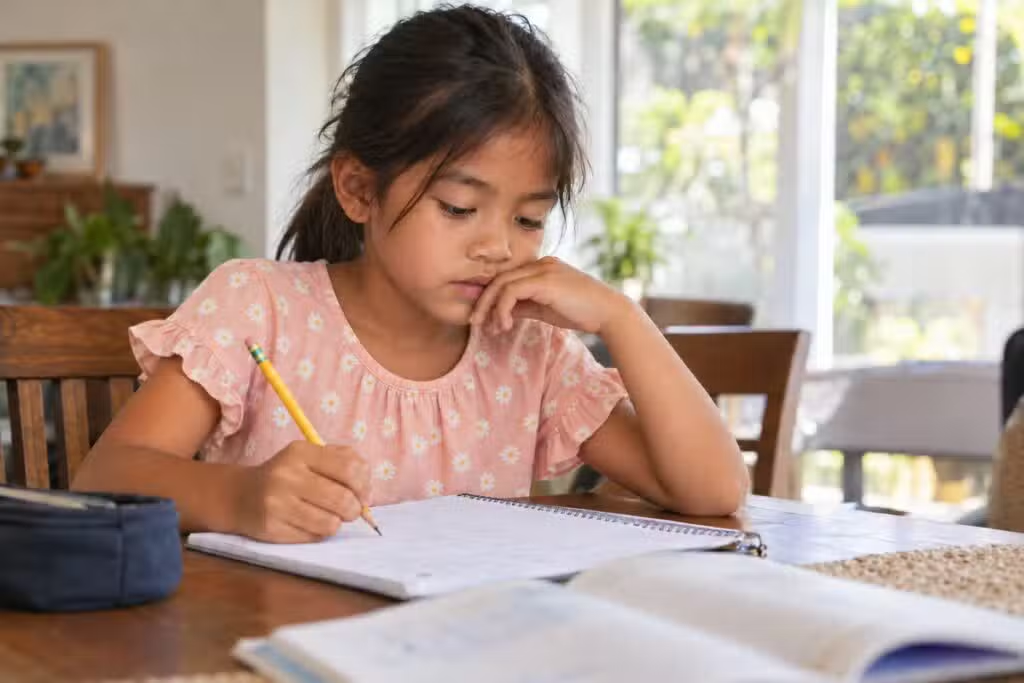
Your child is watching television, finishing homework, or waiting for their turn at school, and suddenly their fingers are in their mouth again.
You've reminded them to stop biting their nails, but a few minutes later, they're doing it without even noticing.
Nail biting is a common childhood habit. For some children, it happens when they're nervous or bored. Others do it while concentrating or simply because the behavior has become automatic.
Occasional nail biting doesn't necessarily mean your child has damaged their teeth. However, frequent or forceful biting can contribute to dental problems over time.
At Pedodontic Associates, we help families understand how everyday habits may affect developing teeth. Here's what parents should know about nail biting, the signs to watch for, and ways to help children change the habit.
Can Nail Biting Really Damage a Child’s Teeth?
Yes. Habitually biting fingernails places repeated pressure on the front teeth.
Teeth are designed for biting and chewing food, but hard fingernails can create concentrated pressure on particular areas.
Over time, frequent or forceful nail biting may contribute to:
- Small chips along the edges of front teeth
- Wear or roughness on biting surfaces
- Discomfort involving the teeth or jaw
- Damage to existing dental restorations
The risk depends on how frequently your child bites their nails, how forcefully they bite, and whether their teeth already have areas of weakness.
Not every child who bites their nails will develop dental damage.
The American Academy of Pediatric Dentistry (AAPD) recommends assessing oral habits according to their frequency, duration, intensity, and effects on oral development.
Why Do Children Bite Their Nails?
Children may develop nail-biting habits for several reasons.
Some use the behavior to cope with nervousness or unfamiliar situations. Others bite their nails during quiet activities that require concentration.
Common situations include:
- Watching television
- Working on homework
- Waiting for an activity to begin
- Feeling nervous before an event
- Sitting quietly without something to do
Sometimes the behavior becomes so automatic that children don't realize they're doing it.
This distinction matters when parents try to help.
Repeatedly telling a child to stop may not work if they're unaware of the habit or using it to manage uncomfortable feelings.
Instead of focusing only on stopping the behavior, try understanding when it happens.
What Dental Problems Should Parents Watch For?
Nail biting doesn't always leave obvious signs. However, certain changes deserve attention.
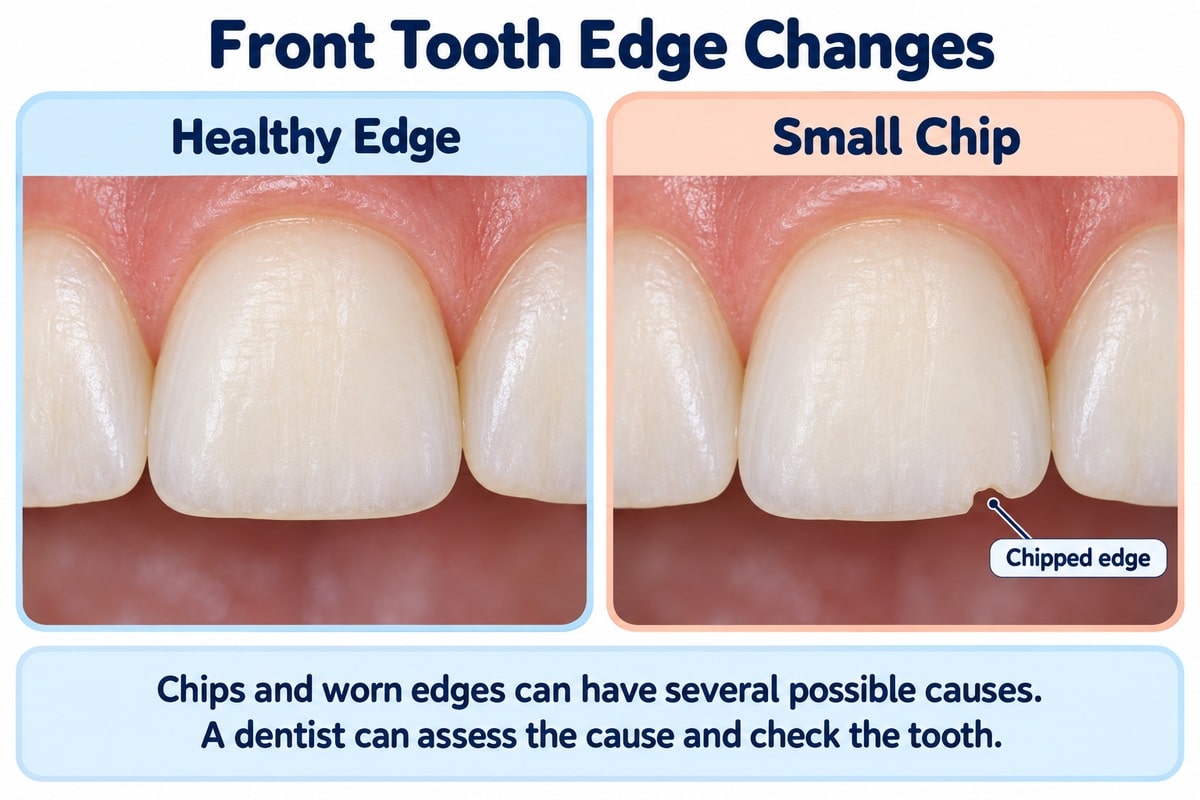
Chipped or Uneven Front Teeth
The front teeth often experience the most direct pressure during nail biting.
Look for new chips, rough edges, or small changes in tooth shape.
If your child develops a chipped tooth, arrange a dental examination, even if it doesn't hurt.
Tooth Sensitivity
Repeated pressure or tooth damage may sometimes contribute to discomfort.
If your child complains that their front teeth hurt when biting or feel sensitive to cold foods, ask a pediatric dentist to examine them.
Don't automatically assume nail biting is the cause. Cavities, dental injuries, and other conditions can also produce sensitivity.
Jaw Discomfort
Some children who habitually bite hard objects may also complain about tired or uncomfortable jaw muscles.
Persistent jaw pain, clicking with discomfort, or difficulty opening the mouth should be evaluated.
Damage to Fillings or Other Restorations
Children who have existing fillings or other dental restorations should avoid using their teeth to bite hard, nonfood objects.
Excessive pressure can sometimes damage dental work or the surrounding tooth structure.
Is Nail Biting Worse Than Thumb Sucking?
These habits affect the mouth differently.
Thumb sucking and prolonged pacifier use involve sustained pressure that may influence how developing teeth and jaws align.
Nail biting generally involves shorter periods of concentrated biting pressure, which may contribute to tooth wear or damage.
| Habit | Potential Dental Concern |
|---|---|
| Nail biting | Tooth-edge wear, chips, or discomfort |
| Thumb sucking | Changes in tooth position or bite development with prolonged use |
| Pacifier sucking | Possible bite changes when continued beyond early childhood |
| Chewing pencils or hard objects | Chips, wear, or damage to restorations |
One habit isn't automatically more damaging than another.
The effects depend on the child's age, the behavior's intensity, and how long it continues.
For more information about prolonged sucking habits, read our guide to pacifiers and thumb sucking.
What About Children Who Chew Pencils, Toys, or Shirt Collars?
Nail biting isn't the only everyday chewing habit parents notice.
Some children chew pencil ends while doing schoolwork or bite clothing when they're concentrating.
These behaviors may have different underlying causes, and not all create the same dental risks.
Chewing hard objects can place pressure on teeth and increase the possibility of chips or damage.
Chewing soft fabric may create less direct mechanical stress, but persistent chewing can still warrant a conversation about the child's needs.
If your child frequently chews nonfood objects, consider what they're chewing and whether the behavior occurs during particular activities.
Avoid automatically substituting a sports mouth guard or another oral appliance. Those products aren't designed to manage every chewing habit.
For children with persistent sensory or developmental needs, a pediatrician or occupational therapist may help assess whether additional support is appropriate.
How Can You Help Your Child Stop Biting Their Nails?
Changing an automatic habit takes time.
For many children, a calm and supportive approach is more useful than punishment or repeated criticism.
1. Notice When the Habit Happens
Observe your child's behavior for several days.
Does nail biting happen during homework? Before bedtime? When they're anxious about school?
Recognizing patterns can help you choose a strategy that addresses the situation.
2. Keep Fingernails Trimmed
Short, neatly trimmed nails may reduce opportunities for biting.
If your child has rough nail edges, use an appropriate nail file to smooth them.
Avoid trimming nails so closely that the surrounding skin becomes sore.
3. Offer a Different Activity for Their Hands
For children who bite their nails during quiet activities, try offering a safe, age-appropriate object to hold.
A small fidget item or another hands-on activity may help some children keep their fingers away from their mouths.
Choose items appropriate for your child's age and abilities, particularly when small parts could present a choking hazard.
4. Use Gentle Reminders
If your child wants help stopping, agree on a simple reminder.
A quiet signal or short phrase may be less embarrassing than repeatedly calling attention to the habit in front of others.
5. Recognize Progress
Praise your child when they notice the behavior and choose another response.
You might focus on manageable goals, such as getting through homework without nail biting.
Avoid shaming, threatening, or punishing your child for setbacks.
The goal is to help them develop awareness and alternative habits, not create additional stress.
Should You Use Bitter Nail Polish to Stop Nail Biting?
Some products are marketed to discourage nail biting by leaving an unpleasant taste on the nails.
However, these products aren't appropriate for every child.
Before using one, consider your child's age, ability to understand the purpose, and whether the product is suitable for them.
A taste deterrent should not replace efforts to understand why the behavior occurs.
Avoid using products as punishment or applying anything that irritates the skin.
If nail biting causes repeated injury or significant distress, discuss the behavior with your child's pediatrician.
When Should a Child See a Dentist About Nail Biting?
Mention nail biting during your child's regular dental examination, especially if the habit is frequent or difficult to change.
Schedule an appointment sooner if you notice:
- Chipped or visibly worn teeth
- Persistent tooth sensitivity
- Jaw discomfort
- Damage to a dental filling
- Pain when biting or chewing
During an examination, we can assess the teeth, look for wear or damage, and discuss whether the habit may be contributing to the problem.
We can also explain appropriate next steps if treatment is needed.
Our pediatric dental services include preventive examinations and restorative care for children.
Help Your Child Build Healthier Habits
Nail biting can be frustrating for parents, especially when reminders don't seem to help.
But the behavior doesn't automatically mean your child has a dental problem.
Start by noticing when it happens, helping your child develop awareness, and supporting manageable changes.
If you're concerned about chipped teeth, sensitivity, or other changes in your child's mouth, a pediatric dental examination can help identify the cause.
At Pedodontic Associates, we provide pediatric dental care across Oahu and Maui.
You can reach us at:
- Pearlridge Office, Aiea: 808-487-7933
- Kahala Office, Honolulu: 808-735-1733
- Maui Office, Kahului: 808-877-0066
If your child's nail-biting habit is affecting their teeth, contact our pediatric dental team to arrange an appointment.
We're here to help your family understand developing dental concerns and choose appropriate care.
This article provides general educational information and is not a substitute for individualized dental or medical advice.