
Your child chips a front tooth on the school playground, develops a noticeable gap that they’ve become shy about, or comes home self-conscious regarding discolored “white spots” on their enamel. As a parent, you want a solution that is effective, affordable, and—most importantly—completely non-intimidating for your child.
Pediatric dental bonding offers a fast, minimally invasive solution that can transform a developing smile in a single appointment. For many Hawaii families, it is the preferred clinical choice because it typically requires no local anesthesia injections, no extensive structural drilling, and provides outstanding results you can see the moment the dentist hands your child a mirror. At Pedodontic Associates, we have been helping Hawaii’s keiki smile with absolute confidence since 1977, using composite bonding to bridge the gap between long-term oral health and aesthetic confidence across our Aiea, Honolulu, and Maui communities.
What Is Dental Bonding and How Does It Work for Children?
Dental bonding is a specialized restorative procedure where a tooth-colored composite resin (a highly durable, medical-grade plastic material) is applied directly to the enamel surface and hardened with a specialized curing light. This process creates a lasting bond between the material and the natural tooth structure to seamlessly restore or improve a person’s smile.
The Clinical Process is Straightforward:
- Preparation: The pediatric dentist lightly prepares the tooth surface with a gentle conditioning gel. This texturing step feels similar to having the teeth brushed with a gritty paste and ensures the resin adheres strongly.
- Application: The putty-like composite resin is carefully applied, layered, and sculpted by hand to match the exact shape and contours of the surrounding tooth structure.
- Curing: A specialized, high-intensity blue light is focused on the site to cure and completely harden the resin in about 20 to 30 seconds per layer.
- Polishing: The dentist smooths out any minor imperfections and polishes the material so it completely matches the natural sheen and translucent characteristics of the child’s surrounding teeth.
Clinical dental statistics reveal that approximately 25% of school-aged children experience some form of dental trauma during their youth, with injuries to the front incisors accounting for up to 80% of those cases. Composite bonding is particularly ideal for growing children because it is highly conservative. Unlike adult porcelain crowns or cosmetic veneers, it requires almost zero permanent removal of the natural tooth structure. This preserves the tooth’s structural integrity as the child’s jaw continues to grow and develop.
Dental Bonding Before and After: Common Issues We Solve
Composite bonding remains a highly versatile tool in modern pediatric dentistry. Our specialists use it to address a wide variety of developmental and trauma-related concerns across our Hawaii locations.
Common Uses for Pediatric Dental Bonding
| Dental Issue | How Bonding Helps the Smile | Primary Clinical and Emotional Benefit |
|---|---|---|
| Chipped Teeth | Rebuilds the broken or fractured edge to match the original tooth shape. | Restores natural chewing function and look immediately. |
| Gaps (Diastema) | Fills and safely closes the wide space between front teeth. | Significantly boosts social confidence in pre-teens and teenagers. |
| Enamel Defects | Covers deep white or brown spots caused by fluorosis or early illness. | Creates a uniform, white smile without aggressive enamel removal. |
| “Peg” Laterals | Reshapes microdontic, small, or cone-shaped teeth to a normal size. | Balances the overall symmetry and alignment of the smile. |
| Post-Braces Contouring | Smooths out minor worn edges or tiny residual gaps after brackets are detached. | Provides the perfect finishing touch after completing orthodontics. |
Hawaii Patient Reviews
Don’t just take our word for it—Hawaii parents trust our team to handle these delicate transformations:
Read Kelly G.‘s review of Pedodontic Associates – Kahala on Yelp
Read Mia N.‘s review of Pedodontic Associates – Kahala on Yelp
How Long Does Dental Bonding Last on Children’s Teeth?
While composite resin is highly durable and resilient, it is not as completely permanent as a laboratory-fabricated porcelain crown. In most pediatric patients, dental bonding placed on permanent front teeth lasts between 3 to 7 years before needing a refresh. The ultimate longevity depends heavily on your child’s daily habits and developmental stage.
Key Factors Driving Restoration Longevity:
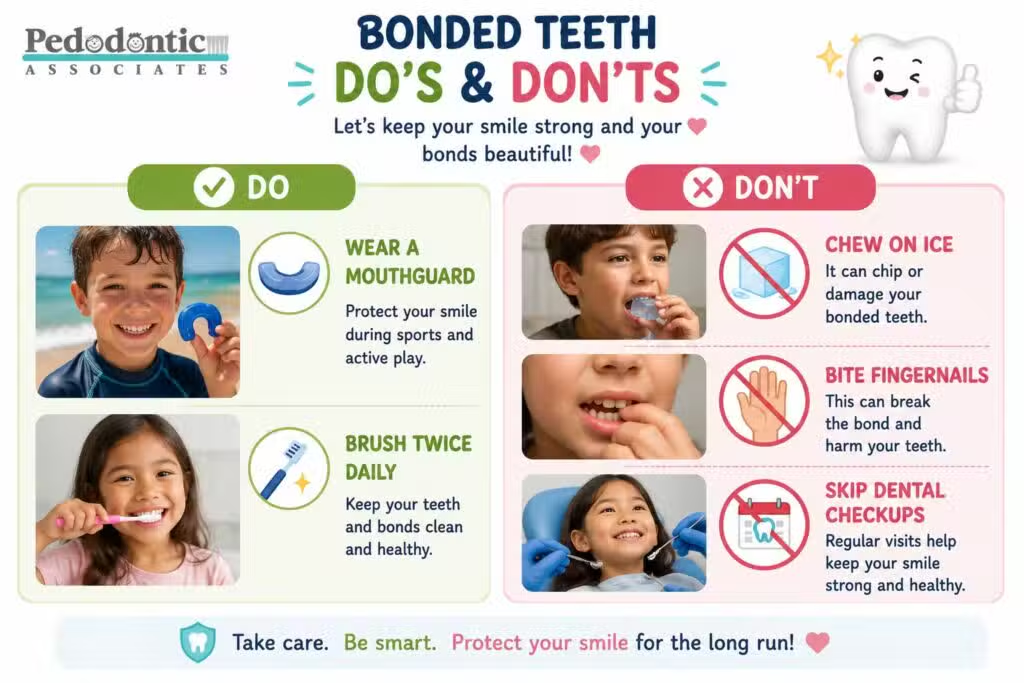
- Behavioral Habits: Composite resin shows excellent clinical survival rates over time, but non-functional habits like nail-biting, chewing on pencils, or crunching on dense ice cubes place excessive force on the material. This can cause the resin to chip or wear down prematurely.
- Cosmetic Staining: Over long periods, composite resin can absorb stains from dark-colored foods, berries, or sodas. Maintaining consistent six-month professional dental cleanings is essential to keep the bonding polished and bright.
- Active Play and Sports Safety: For active Hawaii keiki who participate in sports, physical activity increases trauma risks. A custom-fitted athletic mouth guard is non-negotiable to prevent a sudden impact from popping the resin off the tooth.
Caring for Bonded Teeth: A Guide for Parents
Maintaining a bonded tooth doesn’t require specialized home equipment, but it does require mindfulness during your child’s routine oral hygiene practices.
- Avoid Harsh Abrasives: Always ensure your child uses a high-quality, soft-bristled toothbrush and standard, non-whitening fluoride toothpaste. Overly aggressive whitening toothpastes contain abrasive particles that scratch composite resin. Furthermore, these pastes cannot alter the shade of synthetic resin, which can eventually lead to an aesthetic color mismatch with the surrounding natural teeth.
- Watch the Diet: Teach your child to avoid biting directly into very hard or dense foods—such as whole apples, raw carrots, or hard candies—with their bonded front teeth. It is highly recommended to slice these foods into smaller, bite-sized pieces to prevent the leverage forces that can snap the material’s bond.
- Rinse with Water After Acids: Frequent exposure to acidic beverages like fruit juices, sodas, or sports drinks can slowly soften and degrade resin surfaces over time. Encourage your child to rinse their mouth thoroughly with plain water immediately after consuming acidic items to neutralize their oral pH.

Do Dentists Recommend Bonding for Kids?
In the vast majority of pediatric cases, yes! Specialists highly recommend dental bonding for children because it is a completely reversible, repairable, and adaptive treatment option. Because children’s teeth, roots, and jaw structures are continuously changing, we strictly avoid aggressive, permanent solutions like adult porcelain veneers or crowns until they reach full maturity around age 18.
Dental Bonding vs. Porcelain Veneers
- Porcelain Veneers: Require permanently shaving down 0.5mm or more of healthy, natural tooth enamel to fit the porcelain shell, making it a non-reversible lifelong commitment.
- Dental Bonding: Requires almost zero permanent enamel removal, keeping all future dental options fully open for the child’s adult life.
If a child is under the age of 6 and chips a primary baby tooth, our doctors may suggest waiting and simply monitoring the tooth during routine oral hygiene visits, unless the chip is causing physical pain or affecting their ability to eat. For older children and adolescents, bonding serves as an outstanding, conservative solution that balances long-term dental health with a confident smile.
What to Expect During Your Child’s Bonding Appointment
Preparing your child for a bonding appointment is incredibly simple. Your child can eat a normal meal before the visit and can safely return to school or sports immediately afterward. One of the greatest advantages for anxious children is that the vast majority of bonding procedures require absolutely no local anesthesia needles or invasive drilling.
The appointment typically takes only 30 to 60 minutes per tooth. Because we are a specialized pediatric practice, our team uses evidence-based behavioral management techniques, like the “Tell-Show-Do” method, to keep the entire experience positive and fun. We use kid-friendly language—such as calling the blue curing light a “magic tooth flashlight”—to ensure your child feels completely safe and involved. The most common feedback we receive from our young patients is that the procedure was completely easy!
Making Dental Bonding Affordable for Hawaii Families
We understand that managing family healthcare costs in Hawaii is an important consideration. While the general cost of living across the islands is higher, our practice is deeply committed to keeping high-quality, specialized restorative services accessible and transparent for local families.
- Understanding Your Insurance Benefits: The great news for local families is that most major dental insurance networks in Hawaii—including Hawaii Dental Service (HDS), HMSA, and HMAA—frequently offer excellent coverage for composite bonding when it is used to restore a tooth from decay or a sudden playground injury. To help you maximize your benefits, our friendly administrative team is always happy to verify your active insurance coverage and baseline benefits before your child’s appointment. While our office doesn’t routinely submit formal pre-authorizations for specific services, we are fully committed to providing clear, upfront pricing breakdowns. We work closely with you to make utilizing your insurance plan as smooth and straightforward as possible!
- State-Sponsored Care Access: We believe in dental equity for all keiki. Our offices work closely with Hawaii Quest (Medicaid) and state-sponsored community health programs to ensure every child receives the exact same premier level of care.
- Flexible Spending Accounts: Dental restorations are 100% eligible expenses for Health Savings Accounts (HSA) and Flexible Spending Accounts (FSA).
- Convenient Saturday Appointments: To ensure working parents don’t have to miss work and busy students don’t have to miss school, we offer convenient Saturday appointment blocks across our locations.
Ready to Transform Your Child’s Smile?
A minor chip, a small developmental gap, or an enamel spot doesn’t have to be a source of physical discomfort or emotional insecurity for your growing child. Dental bonding is a safe, fast, and highly conservative way to restore both the natural beauty and the daily function of their teeth.
With three convenient locations across Oahu and Maui and a dedicated team of pediatric specialists who have been serving the islands since 1977, Pedodontic Associates is here to provide the exceptional, gentle care your family deserves. Whether your child needs an emergency repair after an accident or a confidence boost after their braces are removed, we are ready to help your keiki smile bright.
Want to see if your child is an ideal candidate for composite bonding? Contact Us today to schedule a comprehensive evaluation at our Aiea, Honolulu, or Maui office!
Medical & Legal Disclaimer: The content on this blog is provided for general informational purposes only and is not intended as medical advice, diagnosis, or treatment. Always seek the advice of a qualified pediatric dentist regarding your child’s specific oral health needs. If your child is experiencing a medical emergency, including severe facial swelling, call 911 or proceed to the nearest emergency room immediately.