
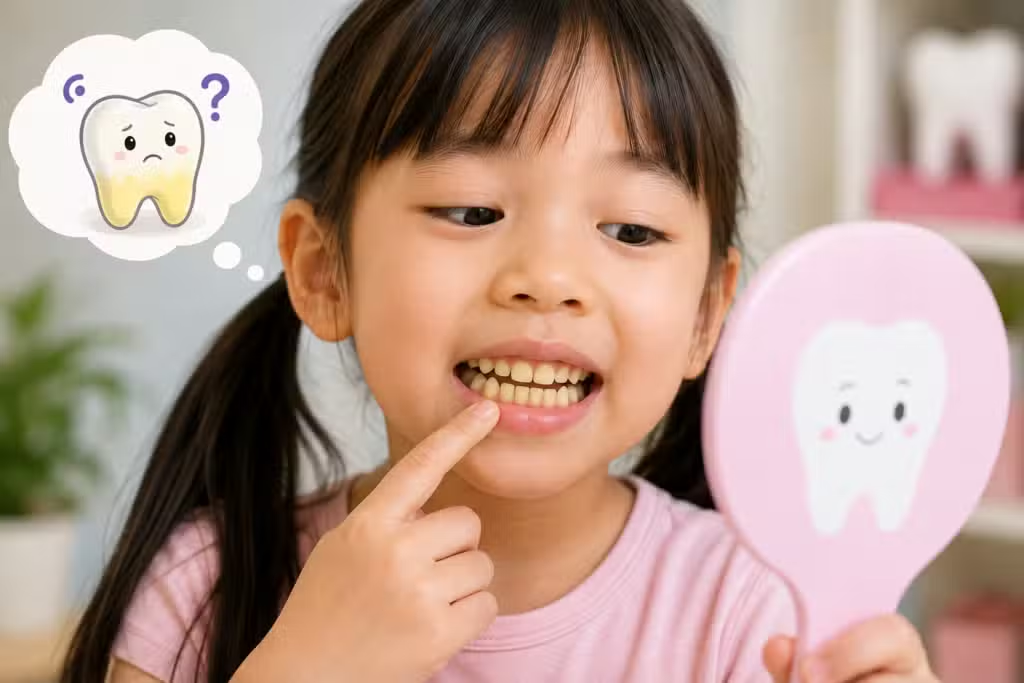
One of the most common moments of surprise for parents during the elementary school years happens right after a child loses a front baby tooth. When the brand-new permanent adult tooth finally erupts into the smile, parents often notice an alarming contrast: the new adult tooth looks noticeably more yellow, dull, or opaque compared to the sparkling white baby teeth surrounding it.
For many parents, this sudden color difference triggers immediate worry. Is there a cavity forming? Are they brushing wrong?
The good news is that in the vast majority of cases, yellow permanent teeth are typically a normal variation. Understanding the natural anatomical differences between baby teeth and adult teeth explains why this color contrast occurs and when a professional dental evaluation is actually warranted.
The Anatomy of the Smile: Baby Teeth vs. Adult Teeth
To understand why permanent teeth look yellower, it helps to look closely at the physical composition of tooth enamel and the layers hidden beneath it.
1. Primary Baby Teeth (“Milk Teeth”)
As their popular nickname suggests, primary baby teeth often possess an intense, milky-white appearance. Baby teeth have an exceptionally thin layer of outer enamel, which is highly porous and opaque white. Because that outer layer is so thin, the lighter shade dominates their overall appearance.
2. Permanent Adult Teeth
Permanent teeth are built differently by nature. Adult enamel is significantly thicker, denser, and more translucent.
Beneath that translucent outer enamel lies dentine, a dense, naturally yellowish-brown calcified tissue that forms the core structure of every tooth. Because adult enamel is translucent rather than solid white, the natural yellow color of the underlying dentine shines right through. When a single permanent tooth erupts next to remaining baby teeth, the optical contrast makes the new adult tooth look remarkably yellow by comparison.
4 Common Reasons Permanent Teeth Appear Yellow
Beyond natural anatomical differences, a few other common factors can influence the shade of your child’s emerging smile:
1. The Direct Comparison Effect (Mixed Dentition)
As mentioned above, optical illusion plays a massive role. Once all of your child’s primary baby teeth eventually fall out (usually by age 12 or 13) and are replaced entirely by permanent adult teeth, the “yellow” contrast disappears because every tooth in the mouth shares the same natural, warm adult shade.
2. Natural Pigmentation and Genetics
Just like natural hair color and skin tone, the natural shade of tooth enamel and dentine varies from person to person. Some children naturally inherit a warmer, more ivory shade of adult teeth from their parents, while others have naturally whiter enamel.
3. Surface Staining and Dietary Habits
As children grow older and gain independence, their dietary habits expand. Consuming dark-pigmented foods and beverages on a regular basis can leave surface stains on porous new enamel:
- Pasta sauces and tomato-based dishes
- Berries (blueberries, blackberries, and raspberries)
- Fruit juices, iced teas, and sports drinks
When Should You Worry? (Red Flags to Watch For)
While overall yellowish shades are normal during mixed dentition, certain types of discoloration require a professional evaluation by a pediatric specialist.
| Type of Discoloration | Appearance & Location | What It Might Indicate |
|---|---|---|
| Deep Brown or Pitted Enamel | Rough, deeply pitted brown or yellow patches spanning across multiple teeth. | Enamel Hypoplasia: A developmental defect where enamel forms thinner or weaker than normal. |
| Single Grey or Dark Tooth | A single permanent tooth turning grey, purple, or dark brown after an injury. | Internal Trauma: Indicates internal bleeding or nerve damage following an impact or sports accident. |
| Chalky White or Yellow Bands | Horizontal lines or localized spots near the gumline that feel rough. | Early Enamel Demineralization: Initial cavity formation or plaque acid erosion requiring prompt care. |
How to Protect and Maintain Your Child’s Enamel
Whether your child’s permanent teeth are naturally warm-toned or picking up everyday surface stains, maintaining strong, healthy enamel requires consistent daily care.
- Brush Twice Daily with Fluoride: Ensure your child brushes for a full two minutes twice a day using a pea-sized amount of fluoride toothpaste (for ages three to six) or a full ribbon (for ages six and up).
- Floss Daily Between Contacts: As permanent back molars erupt and touch neighboring teeth, daily flossing prevents interdental plaque and hidden decay from forming.
- Rinse After Pigmented Foods: Encourage your child to drink a glass of plain water after consuming dark berries, tomato sauce, or juice to rinse away residual pigments before they settle into the enamel.
- Skip Commercial Whitening Products: Never use adult whitening strips, charcoal powders, or abrasive bleaching toothpastes on children’s developing teeth. These harsh commercial products can erode delicate young enamel and cause severe tooth sensitivity.
What Parents Say About Our Pediatric Care
We know that choosing a pediatric dentist comes down to trust, comfort, and how your child feels in the chair. Here is what local parents have shared about their family’s experience with our specialized care across Hawaii:
Read Maritess C.‘s review of Pedodontic Associates – Pearlridge on Yelp
Read Kawika K.‘s review of Pedodontic Associates – Kahala on Yelp
Read Jon D.‘s review of Pedodontic Associates – Kahala on Yelp
Partner with a Pediatric Specialist
Noticing changes in your child’s growing smile is a natural part of parenting, but routine professional checkups ensure every new adult tooth erupts healthy and strong.
Both the American Academy of Pediatric Dentistry and the American Academy of Pediatrics recommend preventative dental checkups every six months.
During a routine visit, a pediatric specialist evaluates enamel development, checks for hidden issues beneath the surface, and confirms that your child’s permanent transition is proceeding smoothly.
If you have questions about your child’s tooth color or want to schedule their next checkup, our experienced team is here to support your family. Explore our full range of preventative services on our Pediatric Dental Services page or Visit Us to schedule an appointment today!
Medical & Legal Disclaimer: The content on this blog is provided for general informational purposes only and is not intended as medical advice, diagnosis, or treatment. Always seek the advice of a qualified pediatric dentist regarding your child’s specific oral health needs. If your child is experiencing a dental emergency, call 911 or proceed to the nearest emergency room immediately.