
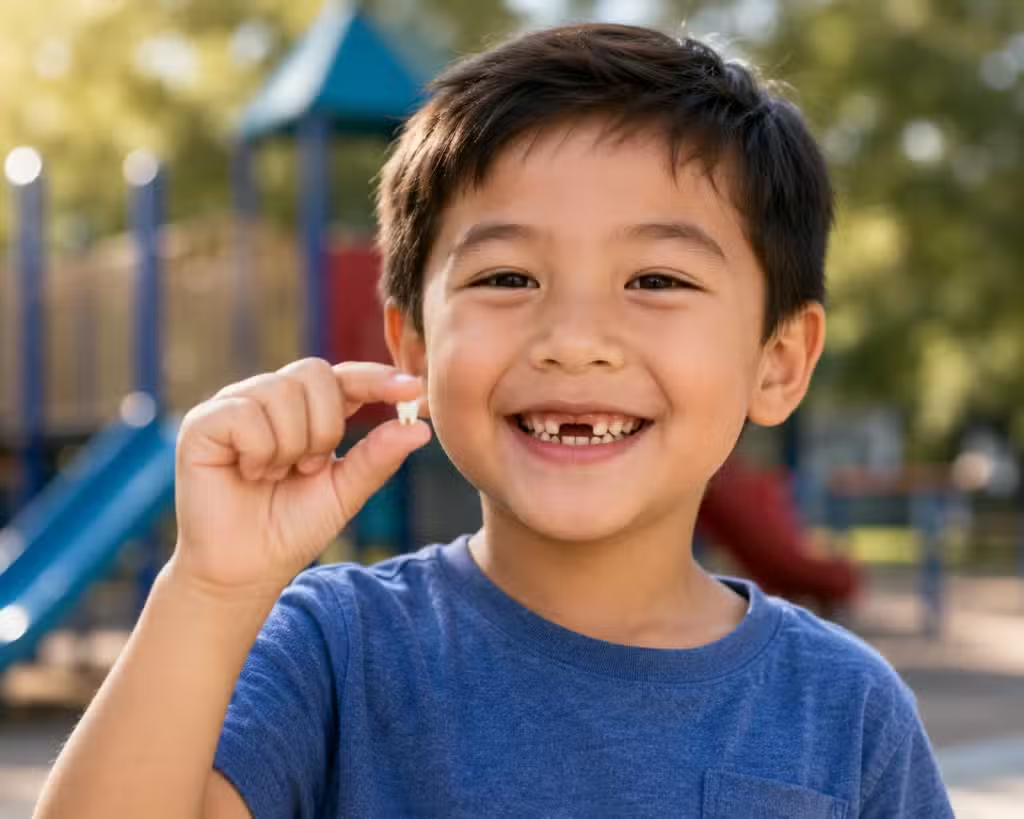
For most children, losing a first tooth is an exciting milestone that signals they are growing up. For parents, however, it often brings a mix of nostalgia and practical questions. Understanding when baby teeth naturally fall out, how permanent teeth take their place, and what to do when a tooth starts wiggling helps you guide your child through this transition with complete confidence.
Primary teeth serve as essential placeholders for permanent adult teeth. The process of shedding baby teeth and welcoming adult teeth spans several years, starting around kindergarten and continuing into early adolescence. Knowing the typical timeline allows you to monitor your child’s dental growth and spot any potential spacing or alignment issues early.
The Complete Baby Tooth Loss Timeline
While every child develops on their own unique schedule, primary teeth generally fall out in the exact same order in which they originally erupted. As a general rule, the earlier a baby tooth appeared in infancy, the earlier it will loosen and shed.
| Tooth Type | Average Age of Loss | Shedding Order | Replacement Adult Teeth |
|---|---|---|---|
| Lower Central Incisors | 6 to 7 years | 1st (First to fall out) | Lower central permanent incisors |
| Upper Central Incisors | 6 to 7 years | 2nd | Upper central permanent incisors |
| Lower & Upper Lateral Incisors | 7 to 8 years | 3rd | Permanent lateral incisors |
| First Molars | 9 to 11 years | 4th | First permanent premolars (bicuspids) |
| Canines (Cuspids) | 9 to 12 years | 5th | Permanent adult canines |
| Second Molars | 10 to 12 years | 6th (Final primary teeth shed) | Second permanent premolars (bicuspids) |
Early Primary Loss (Ages 6 to 8)
The transition usually begins around age six when the lower front teeth (central incisors) become loose. Shortly after, the upper front teeth follow. Around this same time, your child will often begin seeing their first permanent molars (often called the six-year molars) erupting in the very back of their mouth. These six-year molars do not replace any baby teeth; they emerge into empty space behind the primary second molars.
The Middle Phase (Ages 8 to 10)
After the front eight incisors fall out and are replaced by adult teeth, there is often a temporary pause in tooth shedding. During this middle stage, your child’s jaw continues to expand to accommodate the larger adult teeth coming in later.
The Final Shedding Stage (Ages 10 to 12)
Between ages 10 and 12, the back baby teeth (the primary molars and canines) begin loosening and falling out. By roughly age 12 or 13, most children have shed all 20 of their primary baby teeth and developed a full set of 28 permanent teeth (excluding wisdom teeth).
How a Baby Tooth Becomes Loose and Falls Out
The shedding process is a natural physiological sequence. As a permanent tooth matures under the gumline, it begins pressing upward against the roots of the baby tooth above it.
- Root Resorption: The physical pressure from the growing adult tooth signals the body to slowly dissolve, or resorb, the root structure of the baby tooth.
- Loosening: As the baby tooth loses its root support, it becomes mobile in the socket and stays attached only by thin surrounding gum tissue.
- Natural Shedding: Eventually, the remaining crown of the baby tooth detaches completely with minimal bleeding or discomfort, opening a clear path for the adult tooth to emerge.
What to Do When a Tooth Is Loose
Encourage your child to gently wiggle a loose tooth with their tongue or clean fingers. Gentle, patient wiggling helps break the remaining tissue attachments naturally.
- Let nature take its course: Avoid forceful pulling or using old tricks like tying string to doorknobs. Yanking a tooth out before its roots have fully dissolved can tear tender gum tissue, cause unnecessary pain, or introduce bacteria into the socket.
- Managing minor bleeding: If a tooth falls out and bleeds slightly, have your child bite down gently on a clean cotton pad or damp paper towel for a few minutes.
- Alleviating minor gum discomfort: Offer cool water or a soft food snack if the open gum tissue feels sensitive after shedding.
What Is Normal and When Should Parents Worry?
Because every child’s jaw and dental development follow an individual timeline, minor variations from the average schedule are rarely a cause for concern. However, specific situations benefit from a professional evaluation by a pediatric dentist.
What Is Considered Normal Variation
- Losing a first tooth at age 5 or age 7: Some kids start shedding teeth a bit earlier or later than average without any underlying issues.
- “Shark Teeth” (Adult teeth coming in behind baby teeth): It is common for lower adult incisors to emerge directly behind baby teeth before the primary teeth fall out. In most cases, as the baby tooth loosens and sheds, the tongue naturally pushes the permanent tooth forward into proper alignment.
- Permanent teeth looking yellowish: Adult teeth naturally contain more yellow dentin beneath their thick enamel, making them appear warmer or darker in color compared to bright white baby teeth standing next to them.
When to Consult a Pediatric Dentist
| Observation | Potential Cause | Recommended Action |
|---|---|---|
| No lost teeth by age 8 | Delayed eruption or crowding | Schedule dental X-rays to verify adult teeth are present beneath gums |
| Tooth lost before age 4 | Physical trauma or deep decay | Visit dentist to evaluate space maintainers and prevent future crowding |
| Permanent tooth fully erupted, baby tooth still firm | Over-retained baby tooth | Dental evaluation to gently remove stubborn primary tooth |
| Loose tooth causing severe pain or swelling | Infection or broken root fragment | Clinical examination to check socket and surrounding tissue health |
Caring for New Permanent Teeth
Permanent teeth are designed to last a lifetime, making proper oral hygiene habits vital as soon as they emerge. Newly erupted adult teeth have immature enamel that takes up to two years to fully harden, making them especially susceptible to cavities.
Establishing Strong Hygiene Habits
- Brush twice daily for two minutes: Switch to a soft-bristled brush that easily reaches all the way to the back molars.
- Use proper fluoride toothpaste: Children ages six and older should brush with a pea-sized amount of fluoride toothpaste and spit out all excess foam after brushing.
- Begin daily flossing: Once permanent teeth emerge side-by-side, start flossing daily between tight contact points where toothbrush bristles cannot reach.
- Ask about dental sealants: Protecting newly erupted six-year molars with thin, clear composite coatings acts as a physical shield against deep decay in molar grooves.
Protect Your Child’s Growing Smile
Watching your child transition from baby teeth to a strong set of adult teeth is a major childhood milestone. Routine dental checkups every six months allow our clinical team to monitor tooth loss schedules, track space development, and keep newly emerging permanent teeth healthy.
If you have questions about your child’s tooth loss timeline or notice a stubborn baby tooth that will not budge, our team is here to help. Explore our preventive options on our Pediatric Dental Services page or visit us to schedule a consultation!
Medical & Legal Disclaimer: The content on this blog is provided for general informational purposes only and is not intended as medical advice, diagnosis, or treatment. Always seek the advice of a qualified pediatric dentist regarding your child’s specific oral health needs. If your child is experiencing a dental emergency, call 911 or proceed to the nearest emergency room immediately.