
When parents think about protecting their child’s smile, daily toothbrushing and flossing are usually the first things that come to mind. While establishing strong home hygiene habits is essential, oral health is also built from the inside out. The foods and beverages your child consumes every day play a massive role in shaping their tooth structure, strengthening enamel, and keeping cavity-causing bacteria under control.
Primary baby teeth and developing permanent teeth need specific minerals, vitamins, and physical stimulation to stay strong. Incorporating nutrient-dense, tooth-friendly foods into your family’s meals gives your child’s body the raw building blocks required for lifelong oral wellness.
How Nutrition Affects Your Child’s Oral Health
Every time your child eats, a chemical process takes place inside their mouth. Plaque bacteria naturally present on tooth surfaces feed on carbohydrates and sugars, creating acids that strip vital minerals from outer enamel.
Dietary choices impact this environment in two distinct ways:
- Topical Defense: Crisp, water-rich foods actively scrub tooth surfaces, stimulate protective saliva flow, and neutralize harmful mouth acids during chewing.
- Systemic Strength: Essential minerals like calcium, phosphorus, and vitamin D absorb into the body to support the natural remineralization of enamel and nourish the jawbones holding teeth in place.
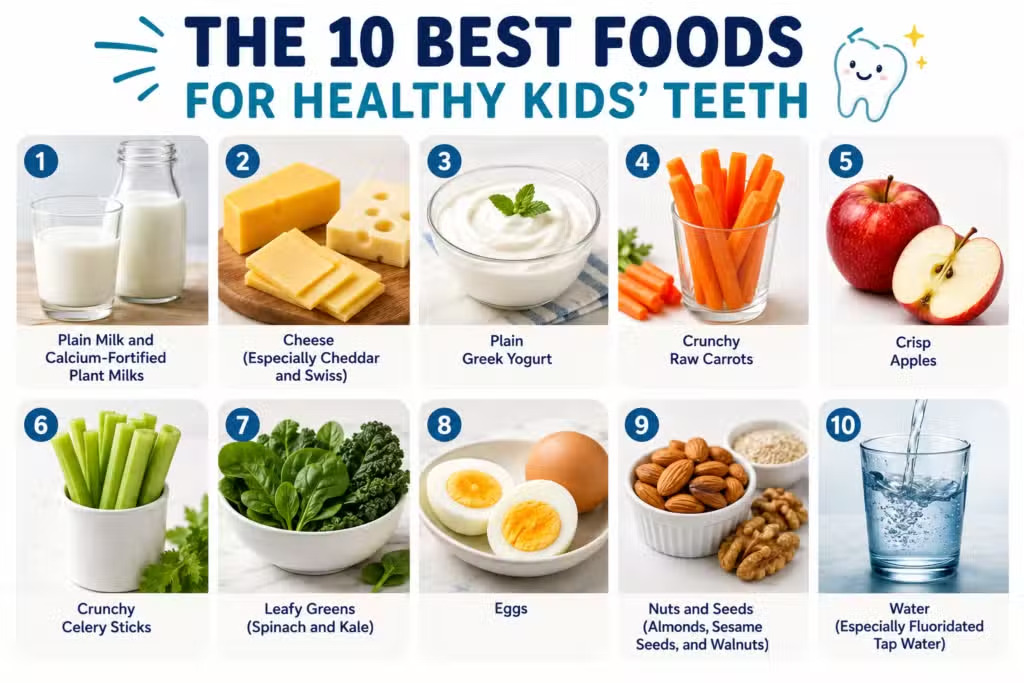
The 10 Best Foods for Healthy Kids’ Teeth
Including these 10 nutrient-rich foods in your child’s daily routine provides natural defense against tooth decay while encouraging healthy eating habits.
1. Plain Milk and Calcium-Fortified Plant Milks
Milk remains one of the premier foods for growing smiles. It is rich in calcium and inorganic phosphate, two minerals that make up the structural framework of tooth enamel. Drinking milk helps restore lost minerals to weakened tooth surfaces while neutralizing acidic foods consumed during meals.
2. Cheese (Especially Cheddar and Swiss)
Cheese is a powerhouse for pediatric oral health. Chewing firm cheese triggers immediate saliva production, which washes away lingering food particles. Furthermore, cheese contains high levels of casein—a protein that bonds to tooth enamel to create a protective barrier against bacterial acids.
3. Plain Greek Yogurt
Yogurt delivers a double benefit for young mouths. It provides high doses of calcium and protein for tooth strength, along with beneficial live probiotics. These healthy bacteria outcompete harmful oral microbes, reducing plaque buildup and supporting healthy gum tissue. Opt for plain, unsweetened Greek yogurt to avoid hidden sugars.
4. Crunchy Raw Carrots
Carrots act as nature’s built-in toothbrush for kids. The firm, fibrous texture requires heavy chewing, which mechanically scrapes away plaque and food debris from enamel surfaces. Carrots are also packed with vitamin A, a key nutrient for maintaining healthy gum tissue and mucous membranes.
5. Crisp Apples
While apples contain natural fruit sugars, their high water content dilutes those sugars significantly. The fibrous skin requires vigorous chewing, which stimulates a rush of saliva to cleanse the mouth. Offering fresh apple slices as an after-meal snack helps clean teeth naturally when a toothbrush isn’t nearby.
6. Crunchy Celery Sticks
Celery is often called nature’s dental floss. As your child chews crisp celery, the natural plant fibers break down and sweep between tight spaces, massaging the gums and clearing out trapped food particles. Celery is also rich in vitamins A and C, which protect delicate gum tissue from inflammation.
7. Leafy Greens (Spinach and Kale)
Leafy green vegetables are loaded with folic acid, calcium, and essential minerals that build strong enamel. Folic acid promotes healthy cell growth in oral tissues, keeping gums resilient against infection. If your child resists eating greens whole, try blending spinach into a fruit smoothie made with plain yogurt and milk.
8. Eggs
Egg yolks are one of the few natural food sources rich in vitamin D. Calcium cannot absorb into your child’s bones and teeth without sufficient vitamin D present in their diet. Eggs also supply high-quality protein and phosphorus, aiding in structural jaw development.
9. Nuts and Seeds (Almonds, Sesame Seeds, and Walnuts)
Almonds, walnuts, and chia seeds deliver a concentrated dose of calcium, phosphorus, and magnesium. Chewing raw or roasted nuts stimulates saliva while depositing essential minerals directly onto enamel. For younger toddlers, offer smooth almond butter spread on celery or apple slices to prevent choking hazards.
10. Water (Especially Fluoridated Tap Water)
While not technically a food, plain water is the ultimate beverage for oral health. Drinking water flushes away residual food debris, dilutes oral acids, and prevents dry mouth. Drinking fluoridated tap water provides a constant micro-dose of topical protection that reinforces enamel throughout the day.
Nutritional Summary: How Key Minerals Protect Teeth
Understanding the specific nutrients inside your child’s food makes meal planning simple and effective.
| Key Nutrient | Primary Dental Benefit | Best Food Sources |
|---|---|---|
| Calcium | Rebuilds enamel structure and hardens jawbone density | Milk, cheese, yogurt, leafy greens, fortified plant milks |
| Phosphorus | Protects and repairs microscopic enamel weak spots | Eggs, fish, poultry, nuts, seeds, red meat |
| Vitamin D | Enables systemic absorption of calcium into bones and teeth | Egg yolks, salmon, fortified milk, natural sunlight |
| Vitamin C | Strengthens blood vessels and connective tissues in gums | Strawberries, bell peppers, broccoli, oranges |
| Water & Fiber | Cleanses tooth surfaces mechanically and stimulates saliva | Carrots, apples, celery, cucumbers, plain water |
Smart Snacking Guidelines for Parents
Even healthy foods can contribute to tooth decay if consumed constantly throughout the day. Managing how and when your child eats is just as critical as what they eat.
- Limit Grazing: Continuous snacking keeps enamel exposed to low-level acids all day long. Stick to designated meal and snack times to give saliva adequate opportunity to clear acids and remineralize enamel.
- Avoid Sticky Carbohydrates: Foods like dried fruit, fruit leather, gummy vitamins, and processed crackers stick inside the deep grooves of molars for hours, creating prolonged cavity risks.
- Pair Acidic Foods with Water: When your child enjoys citrus fruits or berries, encourage them to drink a glass of plain water immediately afterward to rinse away residual fruit acids.
What Parents Say About Our Pediatric Care
We know that choosing a pediatric dentist comes down to trust, comfort, and how your child feels in the chair. Here is what local parents have shared about their family’s experience with our specialized care across Hawaii:
Read Joyce L.‘s review of Pedodontic Associates – Pearlridge on Yelp<
Read Jason K.‘s review of Pedodontic Associates – Pearlridge on Yelp
Read Maria O.‘s review of Pedodontic Associates – Pearlridge on Yelp
Partner with a Pediatric Dental Specialist
Combining a nutrient-dense diet with daily brushing, flossing, and professional checkups provides your child with complete oral health protection.
Both theAmerican Academy of Pediatric Dentistry and theAmerican Academy of Pediatrics recommend routine preventative dental visits every six months.
During a regular checkup, a pediatric specialist evaluates your child’s dietary habits, checks enamel density, applies protective fluoride coatings, and ensures primary teeth are developing on schedule.
If you have questions about your child’s nutritional needs or want to book their next preventative exam, our experienced team is here to support your family. Explore our full range of preventative options on ourPediatric Dental Services page orVisit Us to schedule an appointment today!
Medical & Legal Disclaimer: The content on this blog is provided for general informational purposes only and is not intended as medical advice, diagnosis, or treatment. Always seek the advice of a qualified pediatric dentist regarding your child’s specific oral health needs. If your child is experiencing a dental emergency, call 911 or proceed to the nearest emergency room immediately.