
When a pediatric dentist identifies a cavity during a routine dental exam, the conversation naturally turns toward restorative materials. For decades, the “silver” filling was the industry standard, but modern advancements in material science have introduced tooth-colored composite resins that are as functional as they are beautiful.
At Pedodontic Associates, we prioritize conservative, painless dentistry that respects the biological health and social confidence of Hawaii’s keiki. Choosing between composite (tooth-colored) and amalgam (silver) fillings involves a careful look at durability, safety, and the location of the decay. This guide breaks down everything parents in Aiea, Honolulu, and Maui need to know to make an informed decision for their child’s long-term oral health.
Understanding Restorative Materials
What are Tooth-Colored (Composite) Fillings?
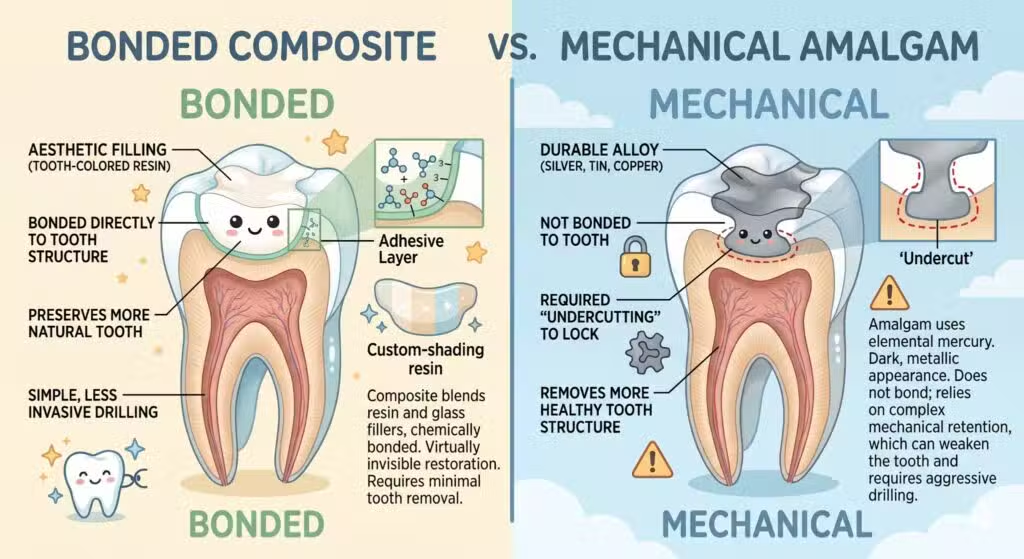
Composite fillings are a sophisticated blend of plastic (resin) and finely ground glass or quartz filler. Unlike older materials, these are designed to be chemically bonded directly to the tooth structure. Their primary advantage is aesthetic; our specialists can custom-shade the resin to match your child’s natural enamel perfectly, making the restoration virtually invisible to the naked eye. This is particularly important for cavities on the front teeth or “smile zone.”
What are Amalgam (Silver) Fillings?
Dental amalgam is a stable alloy of metals, including silver, tin, and copper, held together by elemental mercury. While they have been used in dentistry for over 150 years and are recognized as safe by the American Dental Association (ADA), their popularity has declined in pediatric offices. This is due to their dark, metallic appearance and the fact that they do not bond to the tooth, often requiring more “drilling” to create a mechanical lock to keep the filling in place.

Direct Comparison: Composite vs. Amalgam
Selecting the right material often depends on the size of the cavity and the child’s bite force. However, for most pediatric cases, composite resin offers distinct clinical advantages.
| Feature | Composite (Tooth-Colored) | Amalgam (Silver) |
|---|---|---|
| Aesthetics | Seamlessly matches the natural tooth color. | Dark, metallic spot that can turn black over time. |
| Enamel Preservation | Minimal drilling; preserves healthy tooth. | Requires significant removal of healthy enamel. |
| Bonding Strength | Chemically fuses to and strengthens the tooth. | Sits inside the tooth; offers no structural support. |
| Durability | Excellent for small to medium pediatric cavities. | High resistance to heavy chewing in back molars. |
| Biocompatibility | Metal-free, BPA-free, and highly biocompatible. | Contains mercury; safe but often controversial. |
| Thermal Response | Insulates the nerve against hot and cold. | Conducts temperature, causing potential sensitivity. |
Why Pedodontic Associates Favors Tooth-Colored Fillings
Our commitment to a “painless” experience extends beyond the procedure itself to the long-term health of the tooth. We predominantly recommend tooth-colored fillings for three major reasons:
1. Conservative Enamel Preservation
To place a silver filling, a dentist must create a “box” or “undercut” shape because the metal does not stick to the tooth. This often means removing healthy parts of the tooth. Composite resin, however, uses a sophisticated bonding agent to stick to the enamel on a microscopic level. This allows our doctors to be much more conservative, removing only the decay and keeping the foundation of the tooth strong.
2. Structural Reinforcement and Strength
Because composite resin is bonded, it helps to “tie” the walls of the tooth back together, restoring much of its original integrity. Amalgam fillings can expand and contract when your child eats hot or cold foods. Over time, this constant movement acts like a wedge, which may lead to small fractures or cracks in the surrounding tooth structure.
3. Confidence and Self-Esteem for Hawaii Keiki
Kids in Hawaii are active, social, and constantly smiling. Whether they are laughing with friends at school in Aiea or participating in sports on Maui, they shouldn’t feel self-conscious about dark metallic spots in their mouth. Tooth-colored fillings allow them to smile broadly without the “tell-tale” signs of dental work.
The “Painless” Procedure: What to Expect
Whether we are in our Honolulu or Kahului office, the process for a dental filling is designed for maximum comfort and speed:
- Topical Numbing: We apply a high-potency “sleepy gel” (topical anesthetic) to the gum tissue. This ensures the child doesn’t feel the administration of the local anesthetic.
- Gentle Decay Removal: Our doctors use specialized instruments to gently remove the bacteria. In our kid-friendly environment, we use “Tell-Show-Do” to explain every sound and sensation.
- Advanced Bonding: The tooth is “etched” with a mild solution to create a porous surface, and the resin is sculpted into the cavity in layers.
- For Composites (Instant Curing): A specialized blue curing light is used to harden the resin material instantly. This means the white restoration is already at full strength before your child even leaves the dental chair!
For Amalgam (Pack, Condense, and Carve): Silver fillings are manually packed, condensed, and carefully carved directly into the prepared space. Unlike composite resin, amalgam does not reach its maximum hardness for 24 hours, requiring a bit more care with eating immediately after the appointment.

Real Stories: Restoring Smiles in Hawaii
“We’ve been coming here for years. The doctors are great and they really take the time to explain everything. When my son needed a filling, they made him feel so comfortable he didn’t even know he had a procedure done. I highly recommend them to any parent!” — Liana G. | Source: Pedodontic Associates Maui Reviews
“My daughter had her very first filling today and I was so worried she would be scared. The team was so patient and gentle, and the tooth-colored filling looks perfectly natural. She walked out happy and proud of herself!” — Kiana W. | Source: Pedodontic Associates Aiea Reviews
“The staff is professional and the office is always clean. They are great with explaining the difference in dental materials and helping us choose what’s best for our kids. My kids actually enjoy going to the dentist now!” — Derek S. | Source: Pedodontic Associates Honolulu Reviews
Frequently Asked Questions about Pediatric Fillings
Are silver fillings safe for young children?
The U.S. Food and Drug Administration (FDA) and the ADA consider amalgam safe for children over age 6. However, many parents prefer mercury-free dentistry for peace of mind. At Pedodontic Associates, we prioritize the materials you feel most comfortable with for your child’s body.
How long do tooth-colored fillings typically last?
With proper oral hygiene, composite fillings can last 7 to 10 years. In pediatric dentistry, they often last until the baby tooth falls out naturally to make room for the permanent successor.
Do tooth-colored fillings stain over time?
Like natural enamel, composite resin can pick up stains from dark juices, sodas, or high-pigment foods. We recommend regular professional cleanings and good brushing habits to keep the restoration looking bright.
Will the procedure be painful for my child?
No. Using our painless dentistry protocols, your child will be completely numb. They may feel a bit of pressure or hear a “whistling” sound, but our team is expert at keeping the experience lighthearted and stress-free.
What happens if the cavity is too large for a filling?
If decay has compromised a large portion of the tooth, a filling may not be strong enough. In these cases, we may recommend a pediatric crown to provide 360-degree protection and prevent the tooth from suffering a tooth extraction.
Making the Best Choice for Your Keiki
Every smile is unique, and the choice between filling materials depends on the location of the cavity and your child’s specific dental needs. For parents seeking the most conservative, aesthetic, and biocompatible option, tooth-colored composite fillings are the gold standard.
If you suspect your child has a cavity or if it is time for their preventive checkup, contact us at our Aiea, Honolulu, or Maui offices today. Let’s keep those smiles healthy, strong, and beautifully natural!
Medical & Legal Disclaimer: The content on this blog is provided for general informational purposes only and is not intended as medical advice, diagnosis, or treatment. Every child’s dental needs are unique; always seek the advice of a qualified pediatric dentist regarding any questions you have about a dental condition. If your child is experiencing a medical emergency, including severe facial swelling, high fever, or difficulty breathing, call 911 or proceed to the nearest emergency room immediately.