
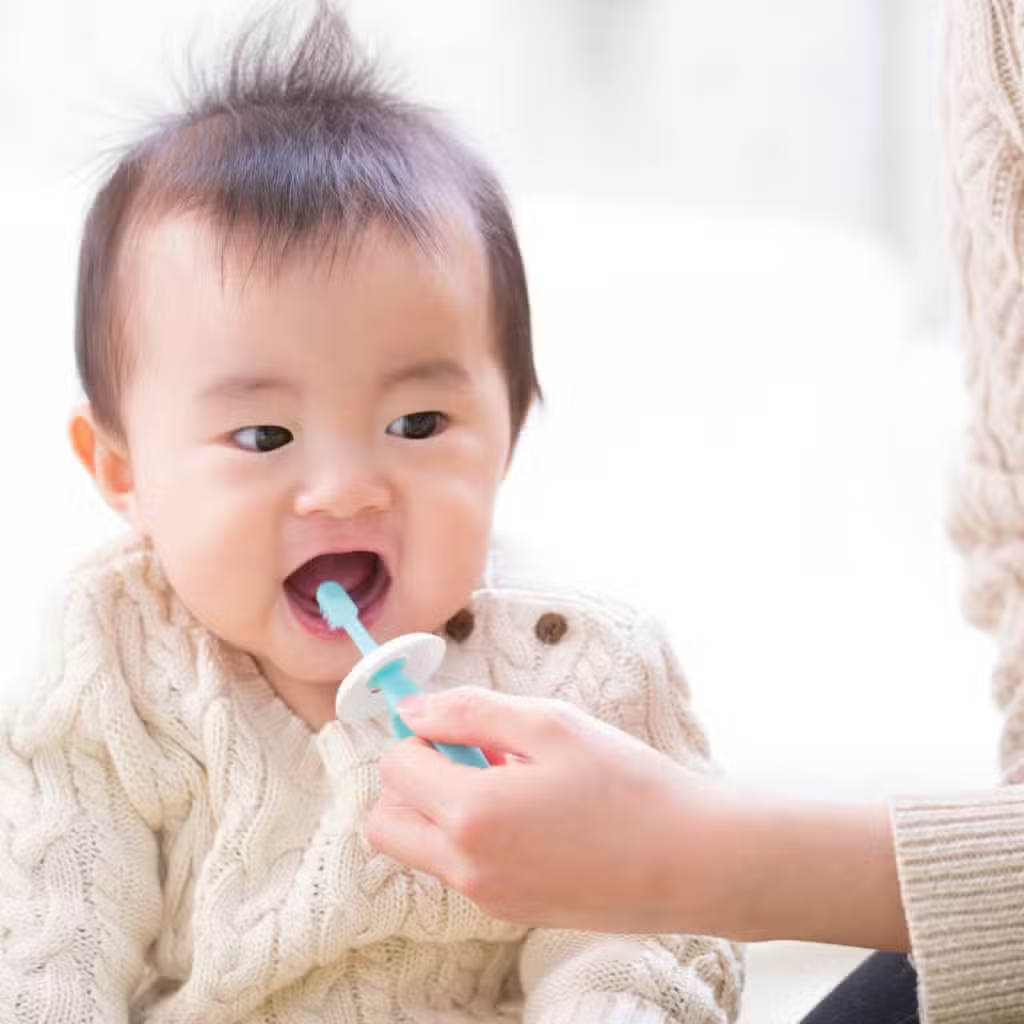
For many parents, scheduling a dental visit for a one year old baby seems surprisingly early. Most infants only have a few tiny front teeth by their first birthday. However, leading pediatric health organizations like the American Academy of Pediatric Dentistry and the American Academy of Pediatrics recommend establishing a formal dental home by your child’s first birthday, or within six months after their very first tooth breaks through the gums.
Starting professional oral care early is far more than just checking off a standard milestone on an infant health checklist. Early preventative visits serve as one of the most effective tools for protecting your child’s developing smile, catching subtle developmental issues early, and saving your family from complex dental treatments later on.
Why the “First Visit by Age 1” Rule Matters
Waiting until a child turns three or four to visit a clinic is a common habit, but it leaves young teeth vulnerable during critical developmental stages. Baby teeth have significantly thinner enamel than adult teeth, meaning decay spreads rapidly once it begins.
1. Preventing Early Childhood Caries (Baby Tooth Decay)
Tooth decay can begin the moment a single tooth emerges above the gumline. Early Childhood Caries, commonly called baby bottle tooth decay, remains one of the most prevalent chronic childhood conditions. This condition often stems from prolonged exposure to liquids containing sugars, including milk, baby formula, and fruit juices given in bedtime bottles or sippy cups.
During an initial exam, a specialist looks for micro-signs of demineralization, such as faint white spots along the gumline. Catching these early signs allows for non-invasive treatments like topical fluoride varnish or enamel remineralization therapy, stopping full cavities from ever forming.
2. Establishing a Stress-Free “Dental Home”
When a child’s first experience happens at age one, the appointment is brief, quiet, and positive. The primary goal is simply acclimating your baby to the clinical environment. They get used to the gentle lights, specialized instruments, and friendly clinical team before any restorative work is ever required.
Waiting until a child suffers from a visible cavity or a toothache creates an immediate association between dental visits and physical discomfort. Establishing a comfortable dental home early eliminates anxiety and helps children build a confident, healthy relationship with healthcare providers that lasts throughout their life.
3. Monitoring Early Jaw and Bite Development
Primary teeth serve as the natural space maintainers for future permanent teeth. During a age-one examination, the doctor evaluates the baby’s jaw structure, inspects the soft oral tissues, checks for unusual tissue attachments, and assesses how the upper and lower jaws meet.
| Age Milestone | Expected Dental Growth | What the Dentist Evaluates |
|---|---|---|
| 6 to 10 Months | Lower central incisors erupt | Tissue health, teething discomfort, early cleaning habits |
| 8 to 12 Months | Upper central incisors erupt | Alignment, bottle/breastfeeding habits, white spot indicators |
| 12 to 16 Months | First molars begin emerging | Chewing efficiency, bite alignment, plaque buildup on back teeth |
Early evaluation helps identify potential airway issues, bite misalignments, or structural habits before they impact speech development, nutritional intake, or long-term facial growth.
4. Direct, Personalized Parental Coaching
Every infant develops at their own unique pace. A first visit gives parents a dedicated, one-on-one session with a specialized doctor to ask specific questions and receive practical home care instruction tailored to their household routine.
- Teething relief techniques: Safe ways to soothe tender gums without resorting to unproven teething gels.
- Fluoride dosing guidelines: Exact measurements for safe toothpaste usage to prevent fluorosis while stopping decay.
- Hygiene techniques: Hands-on practice for wiping infant gums and brushing small front teeth effectively.
- Habit management: Clear strategies for managing prolonged pacifier reliance, thumb sucking, and bottle feeding.
What Happens During Your Baby’s First Appointment?
Parents often worry that their infant will cry, squirm, or refuse to open their mouth. Pediatric clinics structure early visits specifically around infant comfort, ensuring the process remains fast, gentle, and completely transparent for parents.
The Lap-to-Lap Examination Method
Rather than placing a tiny infant alone in a massive clinical chair, age-one exams utilize a gentle technique known as the lap-to-lap method.
- You sit directly facing the pediatric dentist, touching knees to form a secure, flat surface.
- You place your baby on your lap facing you, with their legs wrapped comfortably around your waist.
- You gently lay your baby’s head back onto the dentist’s lap, keeping direct eye contact and holding hands with your child the entire time.
- The dentist quickly and softly inspects your child’s mouth while you maintain physical contact, keeping your baby secure and calm.
Comprehensive Oral Inspection and Cleaning
Once your baby is settled in the lap-to-lap position, the doctor conducts a thorough check using gentle tools:
- Tooth and Gum Check: Inspecting all visible tooth surfaces for signs of weakness, plaque accumulation, or early decay.
- Soft Tissue Assessment: Examining the tongue, cheeks, roof of the mouth, and gums for inflammation or lesions.
- Plaque Removal: Gently wiping down the teeth and gums using a soft cotton swab or small infant toothbrush.
- Fluoride Application: If indicated based on individual risk factors, applying a microscopic layer of protective fluoride varnish.
Risk Assessment and Custom Prevention Plan
After the clinical check, the doctor sits down with you to review your baby’s unique risk profile based on dietary habits, family history of dental decay, and water fluoridation levels in your local area. You leave the office with a clear, step-by-step oral hygiene plan customized specifically for your baby’s current developmental stage.
Daily Home Care Guide for Infants and Toddlers
Professional visits are only one part of maintaining healthy baby teeth. Consistent daily care at home forms the core foundation of lifelong oral wellness.
| Baby’s Age | Recommended Hygiene Tool | Toothpaste Amount | Daily Frequency |
|---|---|---|---|
| 0 to 6 Months (Pre-Tooth) | Clean, damp washcloth or soft silicone finger cloth | None | Once daily after evening feeding |
| 6 to 12 Months | Extra-soft, small-headed infant toothbrush | Tiny smear (size of a grain of rice) | Twice daily (morning and before bed) |
| 12 to 36 Months | Soft toddler toothbrush with wide grip handle | Smear (size of a grain of rice) | Twice daily for two full minutes |
How to Clean Baby Gums and Teeth
Before your baby’s first tooth erupts, use a clean, damp cloth to gently wipe over the gums after feedings. This removes lingering milk sugars and acclimates your baby to having their mouth cleaned.
As soon as the first tooth breaks through the gums, transition to an extra-soft infant toothbrush. Brush twice daily, paying close attention to the gumline where food debris and plaque collect.
Safe Toothpaste Guidelines
For children under three years old, use a tiny smear of fluoride toothpaste equal to the size of a single grain of raw rice. This tiny amount provides essential enamel protection while remaining safe and appropriate if your baby swallows it. Avoid using full pea-sized amounts until your child reaches age three and demonstrates the ability to spit out excess foam consistently.
The Impact of Diet on Early Enamel
Sugar exposure is the single primary driver of tooth decay in young children. Bacteria naturally present in the mouth feed on dietary sugars, producing acids that erode delicate enamel over time.
- Avoid putting your baby to sleep with a bottle containing milk, formula, juice, or sweetened liquids.
- Transition your child from bottles to a training cup around their first birthday.
- Limit frequent snacking on sticky carbohydrates like crackers, dried fruit snacks, or processed pouches.
- Offer plain water between meals once your pediatrician clears your baby for water intake.
Common Questions Parents Ask About Age-One Dental Visits
Why bother fixing baby teeth if they just fall out anyway?
Primary teeth play a vital structural role in child development. They allow your child to chew solid foods properly, support clear speech development, and preserve the exact physical space needed for adult teeth to erupt cleanly years later. Premature loss of baby teeth due to decay leads to severe alignment problems, crowded adult teeth, and costly orthodontic treatments later in life.
What if my baby cries during the exam?
Crying is a completely normal response for a one year old experiencing a new environment. Pediatric dental teams work with infants every day and expect some fussiness during the quick exam. Crying actually helps open the mouth wide, allowing the doctor to complete the clinical check even faster. The entire physical examination takes only a few minutes.
How often should my child visit the dentist after the first appointment?
Just like adults, most infants and toddlers should visit their pediatric dentist every six months for routine preventative checkups and professional cleanings. Some children with higher risks for decay or specific developmental concerns may benefit from more frequent visits as recommended by their doctor.
Protect Your Baby’s Smile with Specialized Care
Taking your child to see a specialized pediatric dentist by age one sets the stage for a lifetime of healthy, confident smiles. Our practice offers a welcoming, stress-free environment designed specifically for babies, toddlers, and growing children across Hawaii.
If your baby is approaching their first birthday or has recently welcomed their first tooth, contact our team today to schedule an gentle introduction to early dental care. Learn more about our specialized treatments on our Pediatric Dental Services page or explore clinic details on our Pearlridge Location page.
Medical & Legal Disclaimer:The content on this blog is provided for general informational purposes only and is not intended as medical advice, diagnosis, or treatment. Always seek the advice of a qualified pediatric dentist regarding your child’s specific oral health needs. If your child is experiencing a dental emergency, call 911 or proceed to the nearest emergency room immediately.